High-voltage systems play a crucial role in powering industries, utilities, and even entire cities. As these systems operate at immense voltages, the protection of electrical equipment from faults is paramount. One such critical component is the HV Insulation Fault Relay, an essential safety device designed to monitor and protect high-voltage equipment from insulation failures. This article explores the importance of HV Insulation Fault Relays, their operation, and their role in safeguarding high-voltage electrical systems.
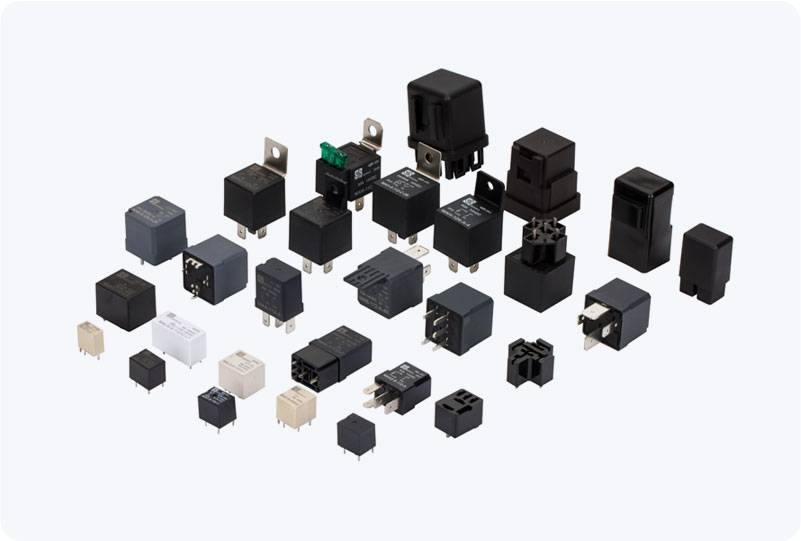
What is an HV Insulation Fault Relay? An HV Insulation Fault Relay is a protective relay designed to detect insulation faults in high-voltage electrical equipment. These faults are often the result of insulation degradation, aging, or physical damage, which can lead to electrical breakdowns, equipment failure, and even catastrophic hazards such as fires or electrical shocks. The relay’s primary function is to monitor the insulation resistance or leakage currents in the system and respond to abnormal conditions by triggering appropriate protective actions. The Need for HV Insulation Fault Relay