A High Voltage Distribution Relay is a crucial protection device in power systems, particularly in the management of high-voltage electricity distribution. This device plays a vital role in ensuring the stability, safety, and reliability of electrical power systems by detecting and responding to abnormal conditions such as overcurrent, voltage fluctuations, and short circuits. In this article, we will explore the fundamental functions and importance of High Voltage Distribution Relays in modern electrical distribution networks.
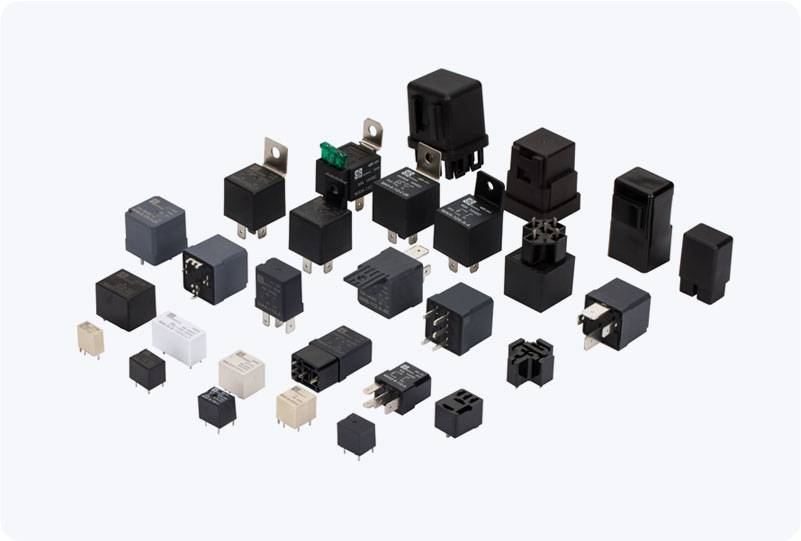
The Role of High Voltage Distribution Relays High Voltage Distribution Relays are installed in the electrical circuits of substations, power plants, and along high-voltage transmission lines. Their primary purpose is to protect electrical equipment and prevent widespread outages due to faults in the system. They act as the system’s first line of defense, quickly detecting irregularities and isolating the affected area to prevent further damage. In high-voltage systems, where the stakes are high and equipment is expensive, the protection offered by these relays is invaluable. A fault in the system, such as a short circuit or overcurrent, can cause substantial damage to transformers, circuit breakers, and other critical infrastructure. Without an effective protection mechanism, such failures can lead to extended downtimes, huge repair costs, and even catastrophic accidents.