High-power relays are vital components in modern electrical and industrial systems. They play a crucial role in switching high-voltage and high-current loads, ensuring the safe and efficient operation of various equipment. Whether in industrial machinery, automotive systems, or home appliances, high-power relays provide a reliable means to control and protect electrical circuits. This article explores the functionality, design, applications, and challenges of high-power relays.
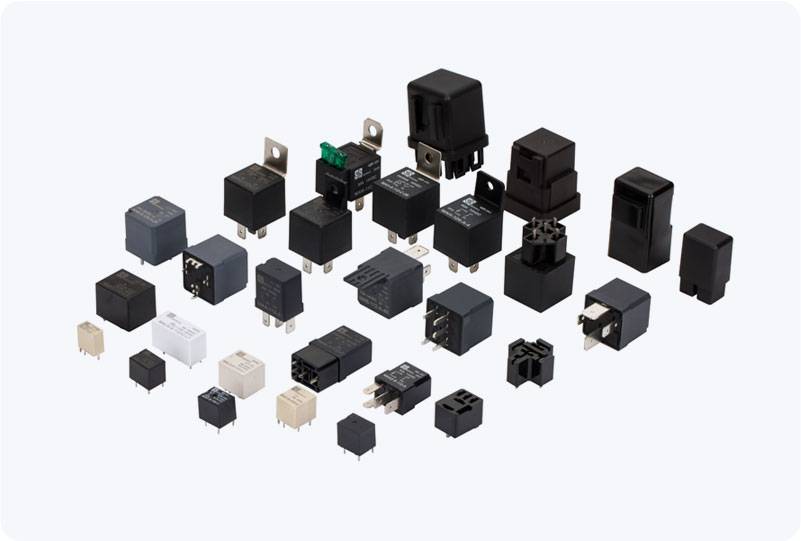
What is a High-Power Relay? A high-power relay is a type of electromechanical switch designed to control electrical circuits by opening or closing contacts when energized. Unlike standard relays, high-power relays are engineered to handle much larger currents and voltages, typically in the range of tens to hundreds of amperes and voltages up to 600V or more. These relays are necessary for controlling heavy-duty equipment like motors, generators, and heating elements, which require robust electrical switching capabilities. How High-Power Relays Work A high-power relay operates based on the principle of electromagnetism. When a control current (usually low-power) is applied to the relay’s coil, it generates a magnetic field that moves the armature, which in turn closes or opens the contacts. The contacts allow or interrupt the flow of high-power electrical current to the load.