In industries that deal with explosive gases, chemicals, or flammable materials, safety is of paramount importance. One key component in ensuring electrical safety in such environments is the Hazardous Area Relay. This specialized electrical device is designed to operate safely in environments that pose a risk of explosions, fires, or other hazardous situations. Hazardous Area Relays play a crucial role in protecting electrical circuits, equipment, and personnel in hazardous zones, making them a vital part of modern industrial safety systems.
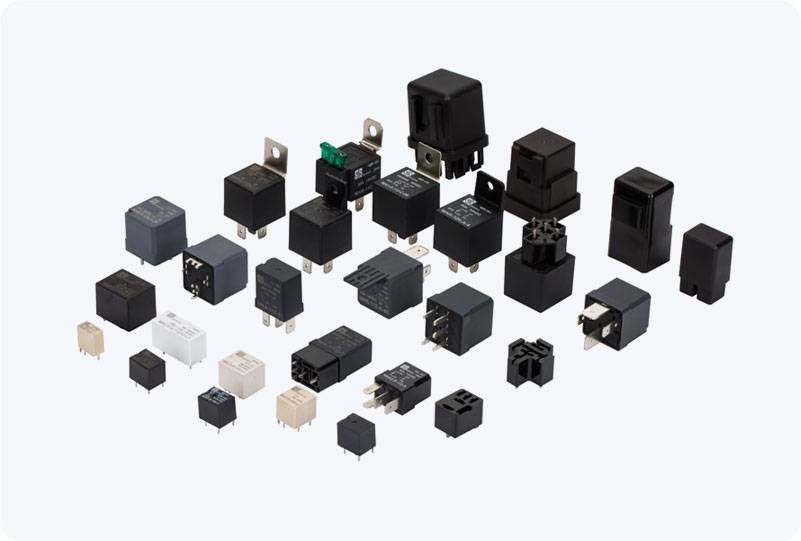
What is a Hazardous Area Relay? A Hazardous Area Relay is a type of relay designed to function in environments where there is an increased risk of explosion due to the presence of flammable gases, vapors, or dust. These relays are built to meet stringent international safety standards, such as the ATEX (ATmosphères EXplosibles) certification in Europe or the IECEx (International Electrotechnical Commission System for Certification to Standards Relating to Equipment for Use in Explosive Atmospheres) certification, ensuring that they do not become a source of ignition themselves. The primary function of a Hazardous Area Relay is to control and protect electrical circuits in hazardous environments. It acts as an intermediary between control systems and the power supply, ensuring that electrical faults do not cause dangerous situations. In the event of a fault, these relays isolate the affected circuit, preventing sparks or heat from igniting hazardous substances in the surrounding environment.