In various industrial sectors, particularly those dealing with flammable gases, vapors, or combustible dust, ensuring operational safety is of paramount importance. One critical component in maintaining safety within these hazardous environments is the Hazardous Area Relay. This article delves into the function, design, standards, and applications of Hazardous Area Relays, illustrating their indispensable role in safeguarding both personnel and equipment.
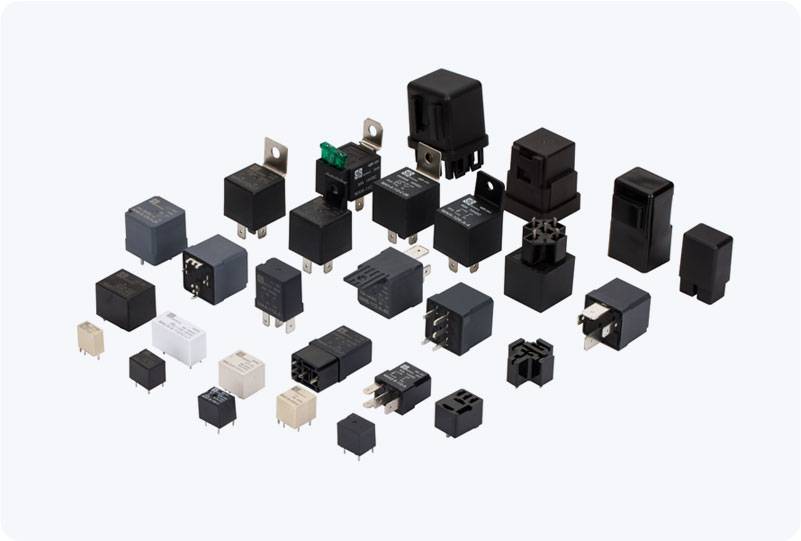
What is a Hazardous Area Relay? A Hazardous Area Relay is specifically engineered to operate in potentially explosive atmospheres. These relocatable devices function by controlling electrical circuits and machinery in environments where the presence of ignitable substances could lead to catastrophic events if standard electrical equipment were used. The design of these relays includes various safety features to prevent ignition sources, thus facilitating safe operations in industries such as oil, gas, chemicals, and mining. Importance of Hazardous Area Relays The primary purpose of Hazardous Area Relays is to minimize the risk of explosion in environments that frequently experience the presence of dangerous substances. This is achieved through specialized construction and adherence to stringent safety standards. Any failure in machinery within these environments could not only result in significant financial losses but could also pose severe health risks to workers. Thus, utilizing a Hazardous Area Relay is a critical proactive measure in both risk management and compliance with legal safety regulations.