Flow control solenoid valves are essential components in numerous automated systems, allowing for precise regulation of fluid flow in various industrial and commercial applications. These devices utilize electromagnetic principles to control valve positions, providing an efficient means of managing the flow of liquids and gases within a pipeline. In this article, we will explore the working mechanisms of flow control solenoid valves, their applications, and the advantages they offer in modern engineering and automation.
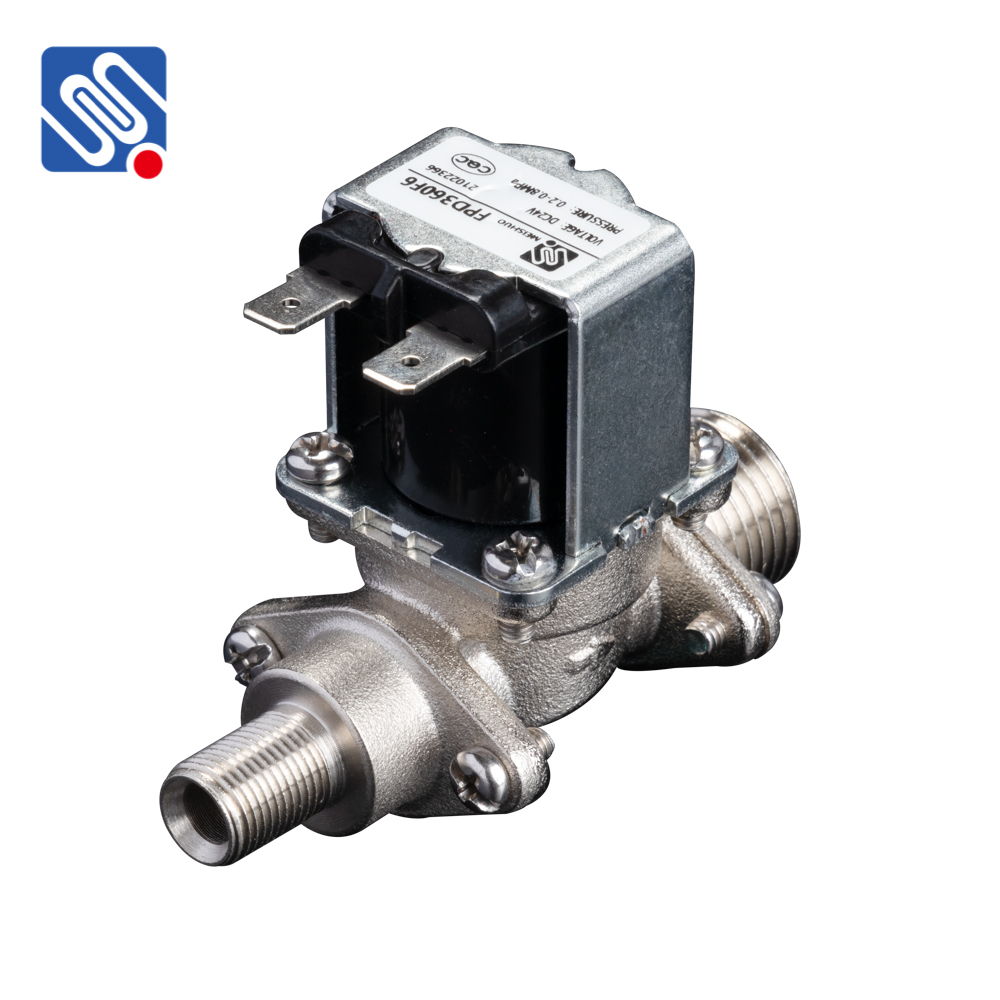
Working Mechanism At the heart of a flow control solenoid valve is its electromagnetic actuator, commonly referred to as a solenoid. The solenoid consists of a coil of wire that generates a magnetic field when an electrical current passes through it. This magnetic field affects a movable component known as the valve piston or plunger, which opens or closes the valve in response to the solenoid’s activation. When the solenoid is electrically energized, the resultant magnetic field pulls the plunger inward, allowing fluid to flow through the valve. Conversely, when the power is cut off, the magnetic field dissipates, and a spring mechanism returns the plunger to its original position, effectively shutting off the flow. This on-off control can be fine-tuned to adjust the valve’s opening, enabling specific flow rates according to operational requirements.