Explosion-proof relays play a critical role in ensuring safety in environments where hazardous materials, gases, or vapors are present. These specialized electrical devices are designed to prevent ignition of explosive substances that might be triggered by electrical faults or sparks. Explosion-proof relays are particularly used in industries such as petrochemical, mining, oil and gas, and any sector where flammable or explosive substances are handled. This article explores what explosion-proof relays are, how they work, and why they are crucial for safety in high-risk industrial environments.
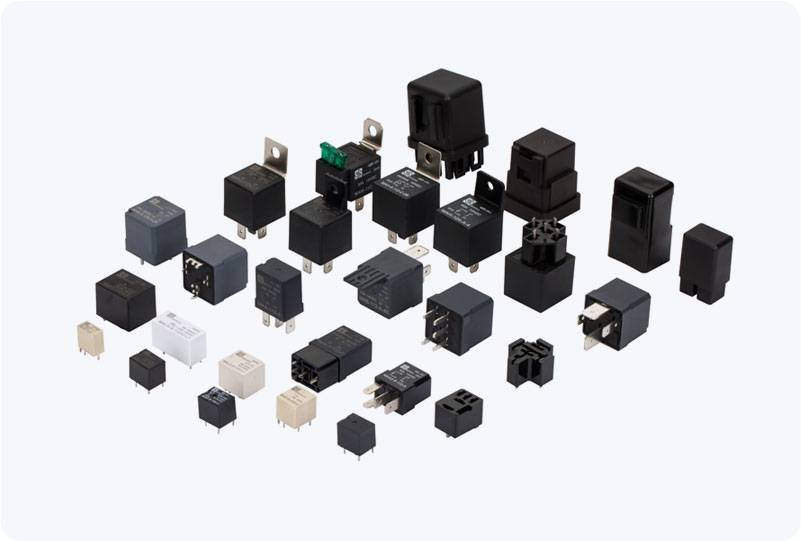
What Is an Explosion-Proof Relay? An explosion-proof relay is a type of electrical relay that is specifically designed to operate safely in environments with potentially explosive atmospheres. A relay, in general, is an electrically operated switch that allows current to flow through a circuit when certain conditions are met. The key difference with explosion-proof relays is that they are built to prevent sparks, arcs, or high temperatures from igniting flammable gases or vapors that may be present in hazardous environments. How Does an Explosion-Proof Relay Work? The function of an explosion-proof relay is similar to that of a standard relay; it is used to control the operation of an electrical circuit by opening or closing the circuit based on input signals. However, in explosion-proof relays, the relay’s housing and components are designed to withstand high pressure and temperature that may occur if an internal spark or arc happens inside the device. The housing is constructed using materials like steel or aluminum alloys that are capable of containing any explosion or combustion from within the device and preventing it from spreading to the external environment.