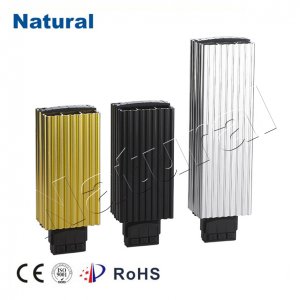
Element heaters, commonly known as electric heating elements, are devices used to convert electrical energy into heat. They play a crucial role in various applications, from household appliances to industrial processes. This article explores the workings, applications, and advantages of element heaters, highlighting their significance in modern heating solutions.
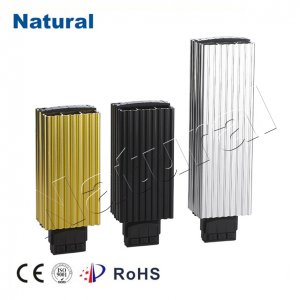
How Element Heaters Work
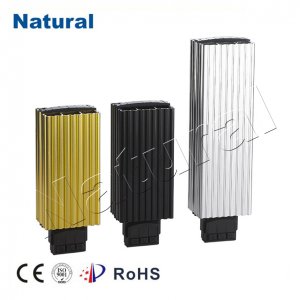
At the core of an element heater is a resistive heating element, typically made from materials such as nickel-chromium alloy, copper, or other metals. When electric current passes through the heating element, the resistance in the material generates heat due to Joule heating. This heat is then transferred to the surrounding environment, warming air, liquids, or surfaces, depending on the application. Element heaters can come in various forms, including tubular, cartridge, and strip types. Tubular heaters consist of a metal tube containing a coil of heating wire, while cartridge heaters are designed to be inserted into a pre-drilled hole in a solid object. Strip heaters, on the other hand, are flat and can be used for surface heating. Each design serves different purposes, showcasing the versatility of element heaters.