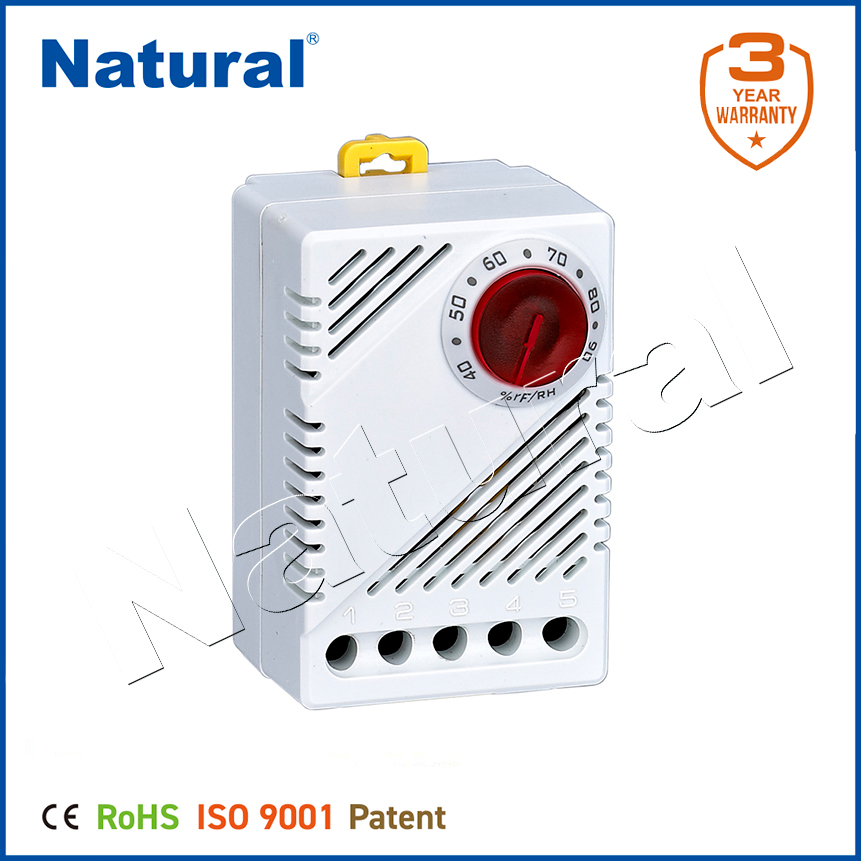
In today’s world, maintaining a stable and comfortable indoor environment is essential for both human health and the preservation of valuable equipment. One crucial aspect of this environment is humidity, which can fluctuate significantly and cause various problems, from mold growth to electronic equipment malfunction. To address this, electronic hygrostats have emerged as an essential tool for humidity control. This article explores the functionality, benefits, and applications of electronic hygrostats, shedding light on how they contribute to better indoor air quality and system efficiency.
What is an Electronic Hygrostat?
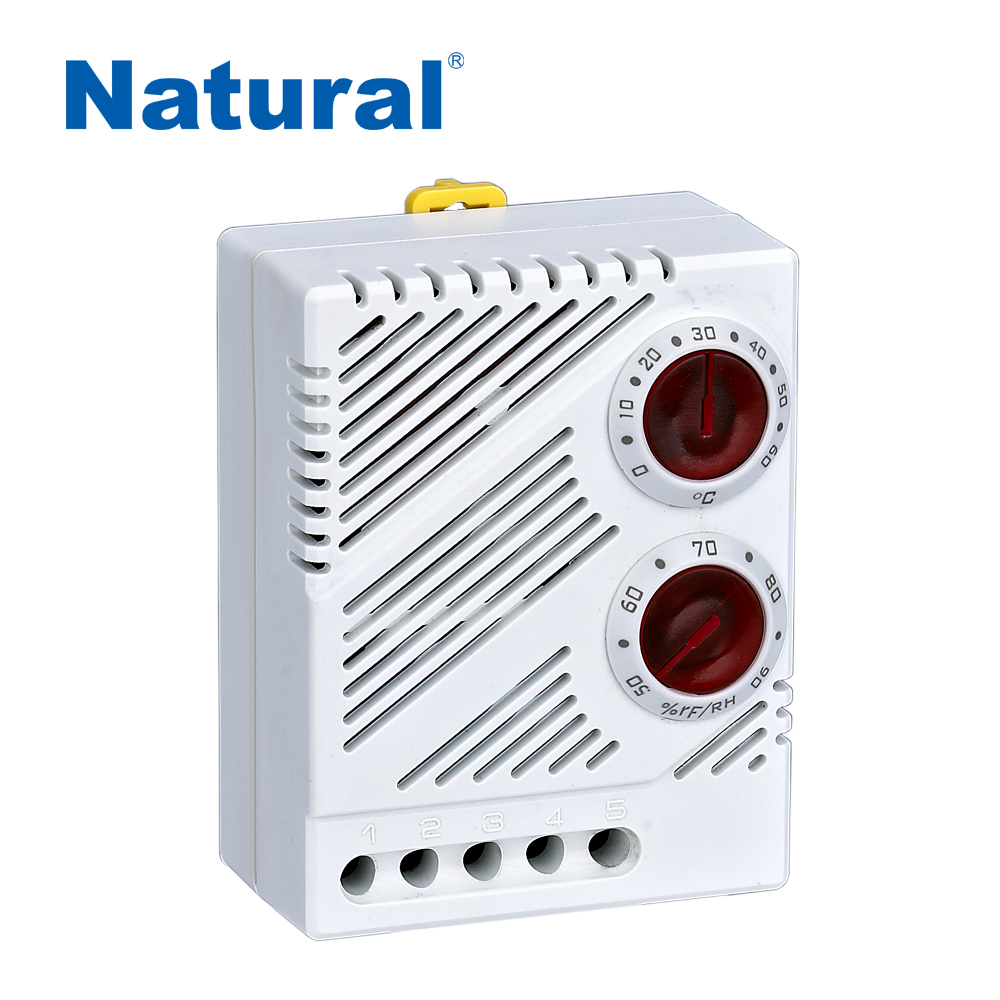
An electronic hygrostat is a device designed to measure and regulate the humidity levels in a given environment. The term “hygrostat” is derived from “hygro,” meaning moisture, and “stat,” meaning control. Unlike traditional mechanical hygrostats, which rely on physical sensors and simple electrical contacts, electronic hygrostats use advanced digital technology to provide more precise and reliable humidity readings and adjustments. These devices often feature integrated sensors that detect the relative humidity (RH) in the air. When the humidity reaches a pre-set threshold, the hygrostat activates or deactivates a connected system—such as a humidifier, dehumidifier, or ventilation system—to restore the optimal moisture level. The digital nature of electronic hygrostats allows for greater flexibility in settings and adjustments, which can lead to more efficient energy use and improved comfort.