Electrical equipment lockouts are critical safety measures implemented to prevent accidental electrical energization during maintenance, repairs, or inspections. The significance of Electrical Equipment Lockouts after-sales service lies in its ability to ensure that such lockouts are effectively maintained, serviced, and supported throughout the lifecycle of the equipment. This article will explore the importance, components, and benefits of this essential after-sales service, highlighting how it contributes to the safety, efficiency, and longevity of electrical systems.
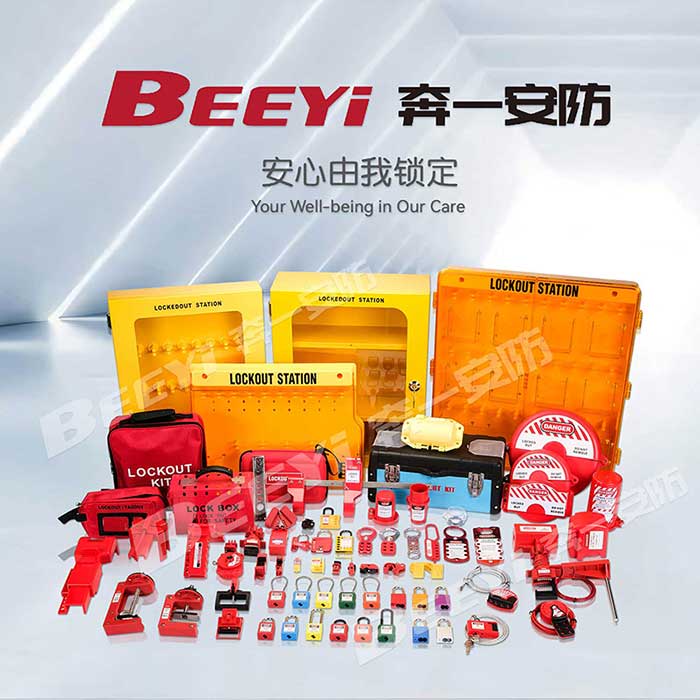
The Role of Lockouts in Electrical Safety Electrical lockouts are mechanisms that prevent electrical circuits or equipment from being accidentally energized during maintenance or repair work. These lockouts are typically physical devices or electronic systems that isolate the equipment, making sure that no unauthorized personnel can accidentally restore power. Lockouts are particularly important in industrial environments, where heavy machinery, high voltage, and complex electrical systems are common. Lockout-tagout (LOTO) procedures are part of broader safety protocols regulated by standards such as OSHA in the United States. These procedures are designed to protect workers from injuries caused by electrical shock or arc flash accidents, which can occur if maintenance workers come into contact with live electrical components. Effective lockout practices, therefore, help mitigate these risks and ensure a safe working environment.