Electric vehicles (EVs) have become a prominent feature in the automotive industry, offering cleaner and more sustainable alternatives to traditional gasoline-powered vehicles. As the demand for EVs continues to rise, there is an increasing need for advanced technologies to ensure their safety, performance, and efficiency. One of the key components in an electric vehicle’s electrical system is the Electric Vehicle High Voltage Relay (EV HV Relay). This small but crucial part plays an essential role in the safe and efficient operation of electric vehicles by managing the flow of high voltage between the battery and other components.
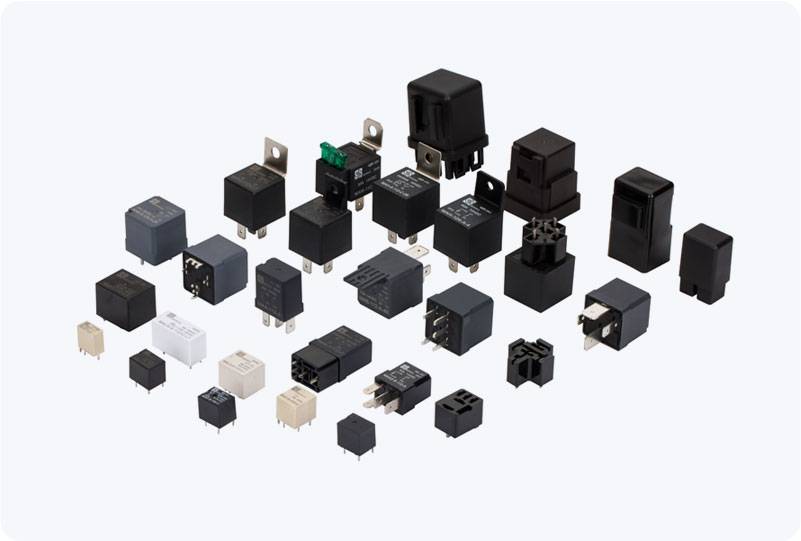
What is an Electric Vehicle High Voltage Relay? The Electric Vehicle High Voltage Relay is an electrical device used to control the flow of electricity in the high-voltage circuits of an EV. It acts as a switch that can either connect or disconnect the high-voltage battery from the rest of the vehicle’s powertrain and electrical systems. These relays are specifically designed to handle the high voltage and current demands of electric vehicle batteries, which typically range from 200 to 800 volts, and sometimes even higher in specialized models. Key Functions of the EV High Voltage Relay