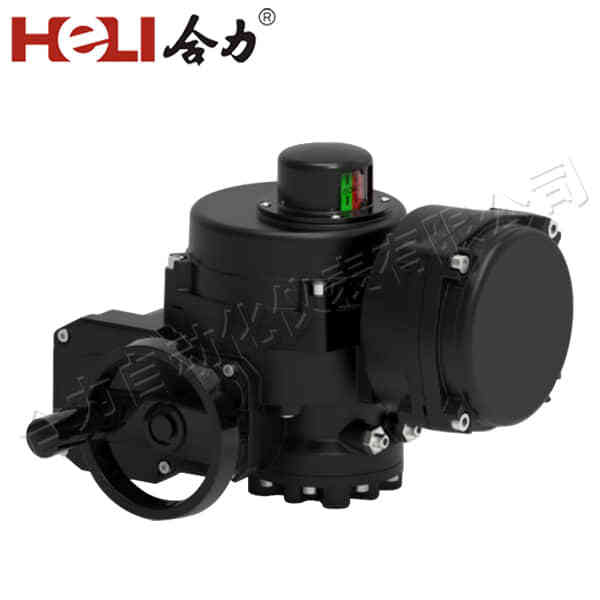
Electric actuators have become a pivotal component in modern automation and control systems, playing an essential role across various industries. These devices convert electrical energy into mechanical motion, enabling precise control of systems ranging from manufacturing equipment to aerospace applications. This article explores the fundamentals of electric actuators, their types, advantages, applications, and future trends.
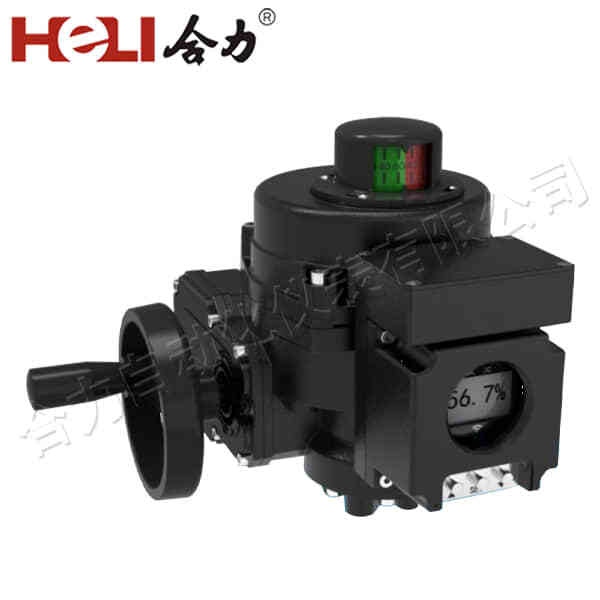
What is an Electric Actuator?
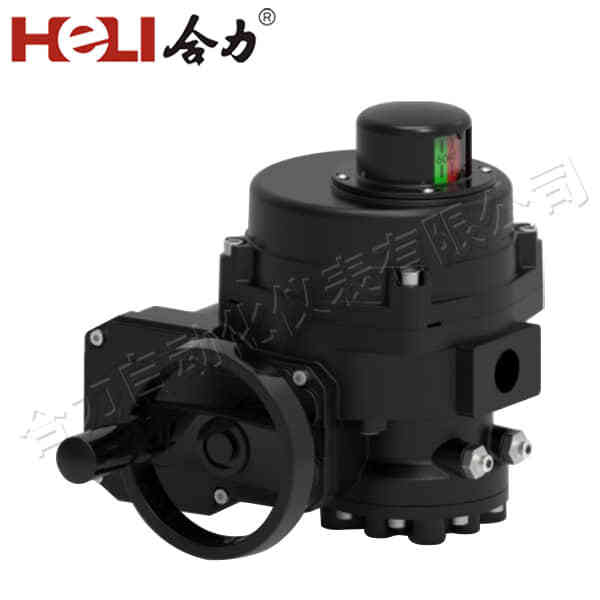
An electric actuator is a device that uses electrical energy to produce mechanical movement. Unlike hydraulic or pneumatic actuators, which rely on fluid power, electric actuators leverage electric motors to drive mechanical systems. They typically consist of a motor, a gear mechanism, and an output device, such as a linear or rotary element, to perform the intended motion. The primary functions of electric actuators include linear motion (moving in a straight line) and rotary motion (turning around an axis). Types of Electric Actuators Electric actuators can be categorized into several types based on their motion characteristics: