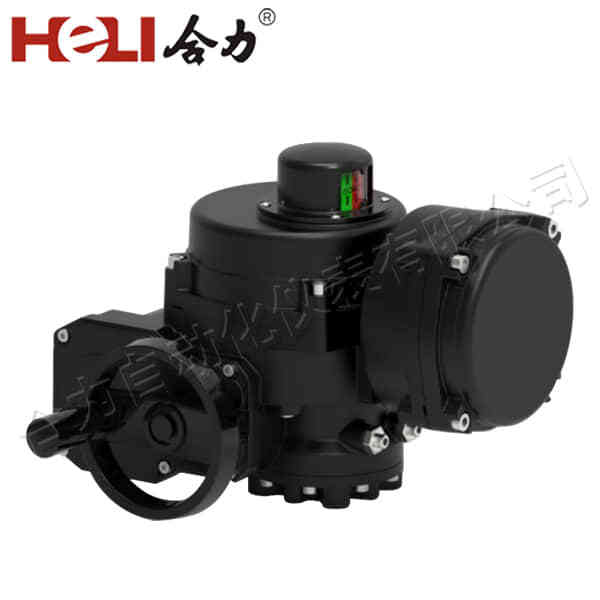
Electric actuators are mechanical devices that convert electrical energy into mechanical motion, enabling the automation of a wide range of systems. These devices are crucial components in many industrial, commercial, and residential applications, providing precise control for various operations. With their ability to deliver smooth and reliable motion, electric actuators have become an indispensable part of numerous industries. This article explores the fundamentals of electric actuators, their types, key components, and various applications.
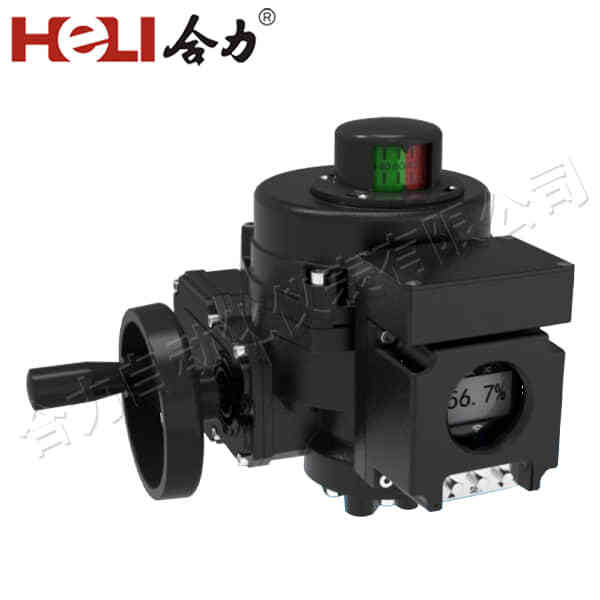
What Is an Electric Actuator?
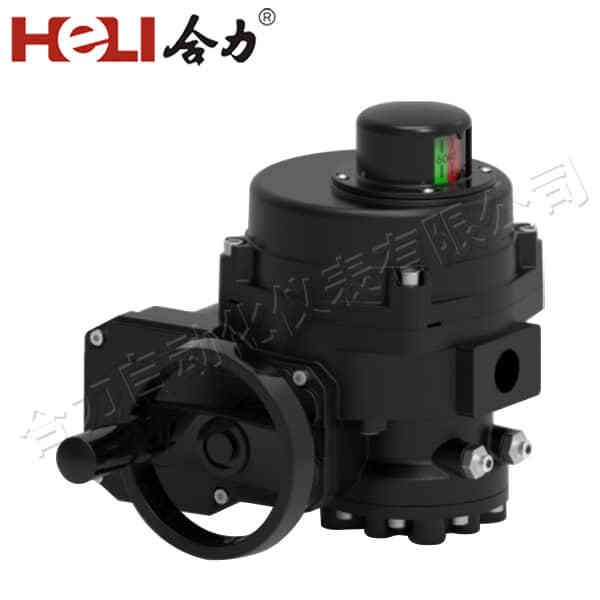
At its core, an electric actuator is a device that uses electrical energy to produce motion. This motion can be either linear (straight-line) or rotary (circular), depending on the application. Electric actuators are commonly used in automated systems, offering benefits such as precision, efficiency, and ease of control. Unlike pneumatic or hydraulic actuators, electric actuators are typically quieter, cleaner, and more energy-efficient, making them suitable for environments where minimal noise and cleanliness are important. Key Components of Electric Actuators Electric actuators generally consist of several key components that work together to perform their functions: