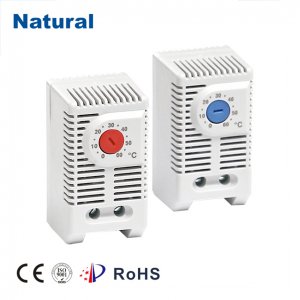
A control panel thermostat is an essential device that plays a pivotal role in modern heating, ventilation, and air conditioning (HVAC) systems. By regulating indoor temperatures, these thermostats contribute significantly to comfort, energy efficiency, and overall utility management in homes and commercial buildings. In this article, we will explore the functionality, types, benefits, and best practices for using a control panel thermostat effectively.
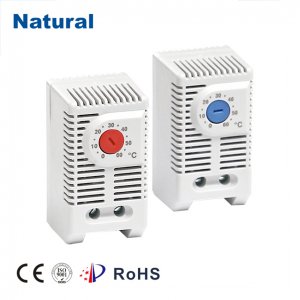
What is a Control Panel Thermostat?
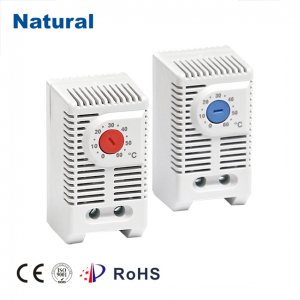
A control panel thermostat is an electronic device that monitors and controls the temperature of a space. It typically features a user interface that allows users to set their desired temperature, monitor current conditions, and access various settings. These thermostats are integrated with HVAC systems to ensure that the heating or cooling units operate efficiently and maintain the set temperature. How Does It Work? The fundamental operation of a control panel thermostat involves several components. A temperature sensor detects the current temperature of the environment and relays this information to the thermostat. When the temperature deviates from the setpoint, the thermostat sends a signal to the HVAC system to either activate or deactivate heating or cooling mechanisms.