In the automotive world, car relay types play a crucial role in managing electrical systems and components efficiently. Relays serve as electrical switches, using a smaller current to control a larger one, thereby allowing various devices in a vehicle to operate seamlessly. Understanding the different types of car relays and their functions can be vital for both automotive enthusiasts and professionals alike.
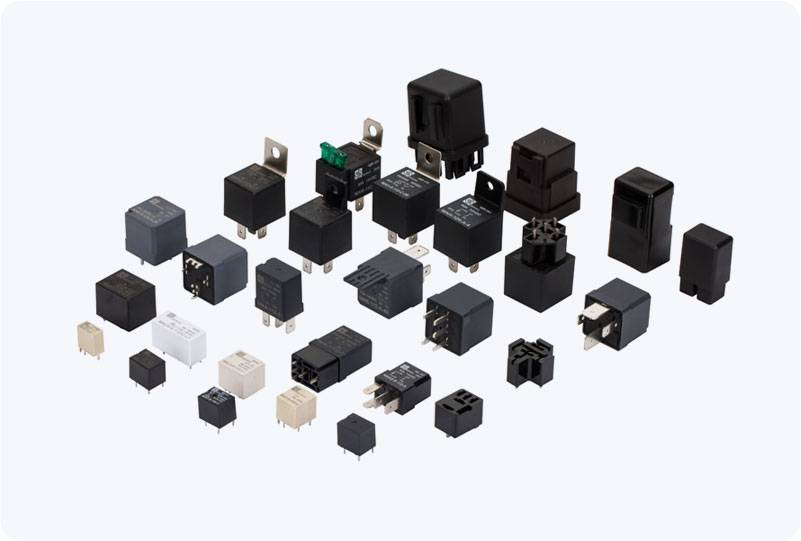
What is a Car Relay? A relay is an electromagnetic switch that enables the control of high-power circuits via low-power signals. When a current flows through the coil of the relay, it generates a magnetic field that moves a lever, opening or closing contacts in the relay. This mechanism is essential for controlling various automotive functions, ensuring that systems operate correctly without overloading smaller circuits. Common Types of Car Relays Electromagnetic Relays Electromagnetic relays are the most common type found in vehicles. They consist of a coil, an armature, and contact points. When the coil is energized, the magnetic field pulls the armature towards it, completing the circuit. These relays are widely used for various applications, such as headlights, fuel pumps, and starter motors due to their reliability and affordability.