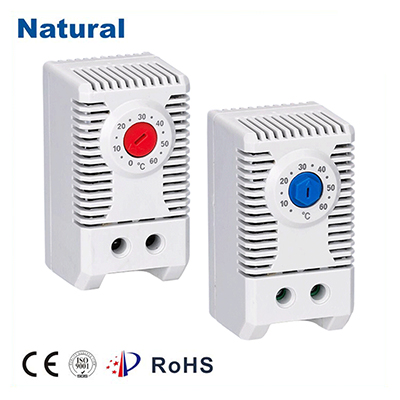
Bimetal thermostats are essential devices used in various applications to maintain temperature control. They operate on the principle of thermal expansion, utilizing two different metals bonded together. As temperatures rise and fall, the differing rates of expansion of the two metals cause the bimetal strip to bend, which can activate or deactivate a switch to regulate temperature. This article delves into the functionality, applications, and advantages of bimetal thermostats.
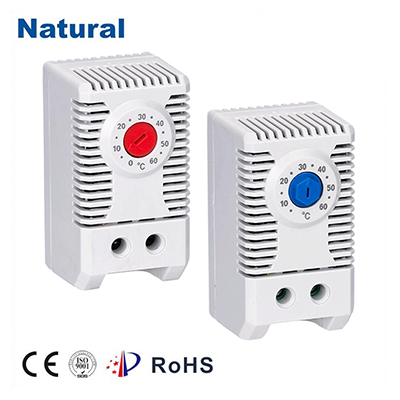
Functionality of Bimetal Thermostats
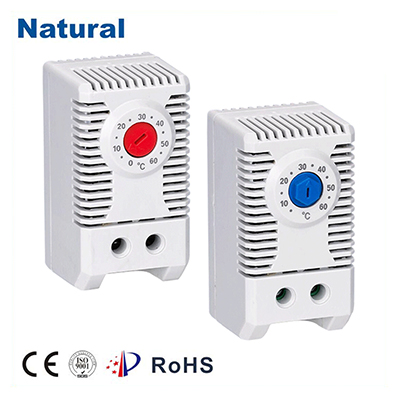
The core of a bimetal thermostat consists of a bimetallic strip, which is made up of two metals with different coefficients of thermal expansion. Commonly used metals include brass, steel, and aluminum. When the temperature changes, the metal with the higher expansion coefficient expands more than the other, causing the strip to bend. This bending action is often translated into a mechanical movement that can either close or open an electrical circuit. Typically, bimetal thermostats are designed with a set temperature point. As the ambient temperature changes and reaches the predetermined set point, the bimetal strip bends accordingly. This bending movement completes a circuit to activate heating or cooling systems in appliances, ensuring that the desired temperature is maintained. Once the temperature exceeds or falls below the set point, the bimetal strip returns to its original position, disrupting the circuit and stopping the heating or cooling process.