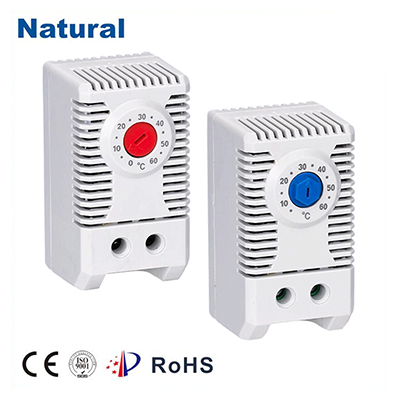
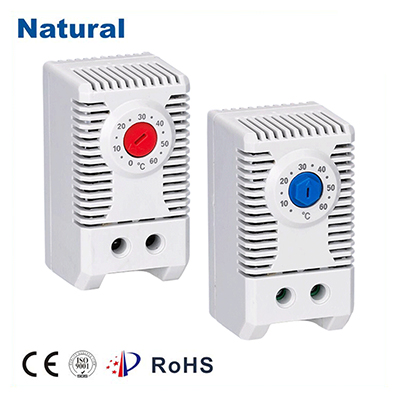
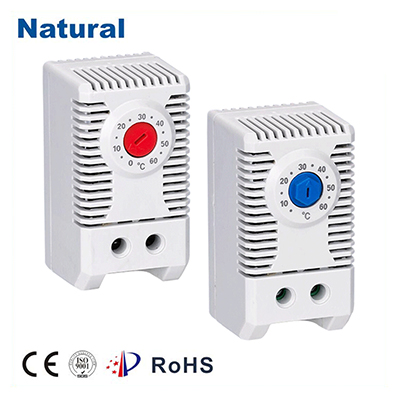
A bimetal thermostat is a simple yet essential component used for temperature control in various mechanical and electrical systems. It operates based on the principle of two different metals that expand at different rates when heated, which leads to mechanical movement that can either close or open an electrical circuit. This article aims to explore the working principle, common applications, and the advantages of bimetal thermostats, highlighting why they remain a preferred choice in many industries.
Working Principle
The bimetal thermostat consists of two metals that are bonded together and have different coefficients of thermal expansion. The most common materials used are brass and steel, though other metal combinations can be employed depending on the required temperature range and sensitivity. When the temperature changes, the two metals expand at different rates. The metal with a higher coefficient of expansion expands more than the one with a lower coefficient, causing the bimetallic strip to bend. As the temperature increases, the bimetallic strip bends in one direction, and conversely, as the temperature decreases, the strip bends in the opposite direction. This bending action is what controls the thermostat’s switch. The deformation of the strip moves a contact point or lever that either completes or breaks an electrical circuit. Once the desired temperature is reached, the thermostat returns to its normal state, ensuring the temperature is regulated automatically.