A Battery Main Positive Relay is a critical component in various power systems, especially in automobiles and high-power electronics. This relay plays a pivotal role in controlling the flow of electrical current between the battery and the system, ensuring efficient power distribution, safety, and effective energy management. It is commonly used in vehicles, power storage systems, uninterruptible power supplies (UPS), and other high-energy applications. In this article, we will explore the main functions, applications, working principles, and importance of the Battery Main Positive Relay.
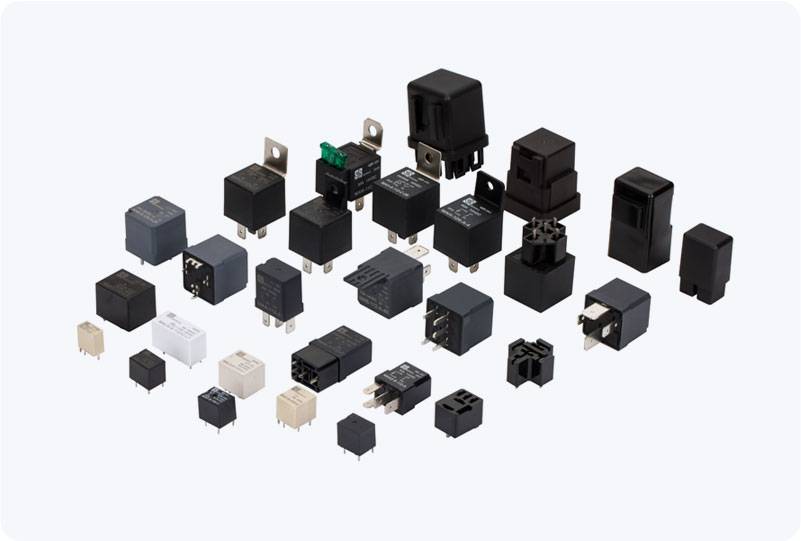
What is a Battery Main Positive Relay? The Battery Main Positive Relay is an electrical device that manages the flow of electricity between a power source (usually a battery) and the main electrical system. It is located in the positive terminal of the battery and is responsible for switching the battery’s power to various components. By controlling the connection between the battery and the system, the relay helps regulate when the system draws power from the battery and ensures that the system is not drained unnecessarily when it is not in use. Working Principle The working principle of a Battery Main Positive Relay is based on the function of a switch that is controlled by an electronic or mechanical signal. When the relay is activated, it closes the circuit, allowing current to flow from the battery to the system. Conversely, when the relay is deactivated, it opens the circuit and cuts off the power from the battery. This on-off switching mechanism prevents energy wastage, ensures safety by avoiding short circuits, and protects the battery from over-discharge or damage.