Automation relays are crucial components in modern industrial control systems, providing an efficient and reliable way to manage electrical circuits. As the demand for automation in industries grows, understanding how automation relays function and their applications becomes increasingly important. This article delves into the significance, working principles, and types of automation relays, highlighting their role in automating processes and ensuring safety in electrical systems.
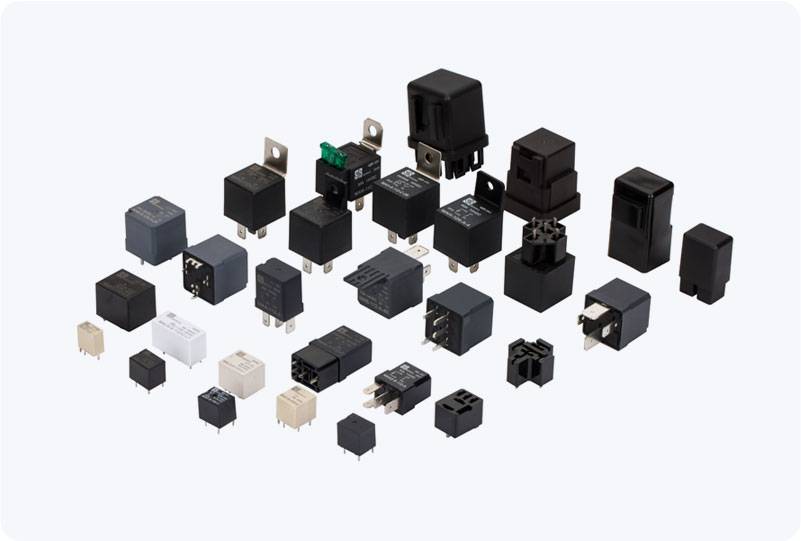
What is an Automation Relay? An automation relay is an electrically operated switch used in various automated systems to control electrical circuits. It functions as an intermediary between the control signals and the equipment being managed, enabling remote or automated control over electrical devices. Essentially, an automation relay responds to an input signal, such as a voltage or current change, and controls the switching of electrical loads, such as motors, lights, or heating systems. Automation relays are essential for managing and controlling complex systems without manual intervention. They help in automating tasks that would otherwise require human effort, contributing to improved efficiency, safety, and system reliability. These relays are widely used in industries such as manufacturing, energy, building management, and transportation.