In the world of industrial automation and electronic control systems, relays play a crucial role in managing and regulating electrical circuits. Among the various relay types available, the AG Alloy Contact Relay stands out due to its unique features and benefits. This article delves into the components, working principle, advantages, applications, and considerations associated with AG Alloy Contact Relays.
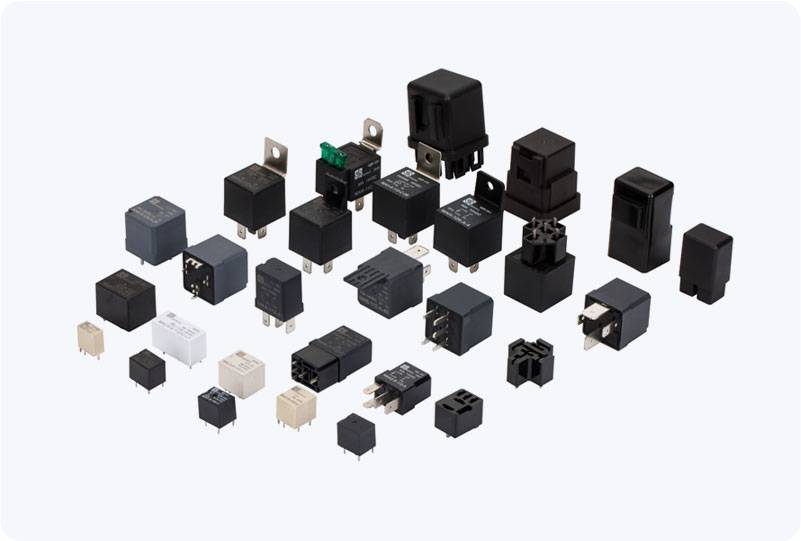
What is an AG Alloy Contact Relay? AG Alloy Contact Relays are electromechanical devices that use alloy-based materials for their contact points. The most common composition for these contacts is a silver alloy, which provides excellent conductivity and durability. These relays are used to control the opening and closing of electrical circuits, making them indispensable in various automation tasks. Working Principle The operational mechanism of an AG Alloy Contact Relay is straightforward. When an electrical voltage is applied to the coil of the relay, it generates a magnetic field. This magnetic field attracts a moving armature, which, in turn, either connects or disconnects the circuit contacts. This process allows the relay to manage high currents and voltages safely without direct human intervention. The speed and efficiency with which the relay responds to electrical signals make it an ideal choice for automated systems.