An AC Solenoid Valve is a vital component in many fluid and gas control systems, from household appliances to industrial machinery. The solenoid valve operates as a control device that regulates the flow of liquids or gases, using electromagnetic force to control valve movement. These valves are widely used in applications ranging from air conditioning systems to water treatment, and their role in ensuring efficiency and reliability cannot be overstated.
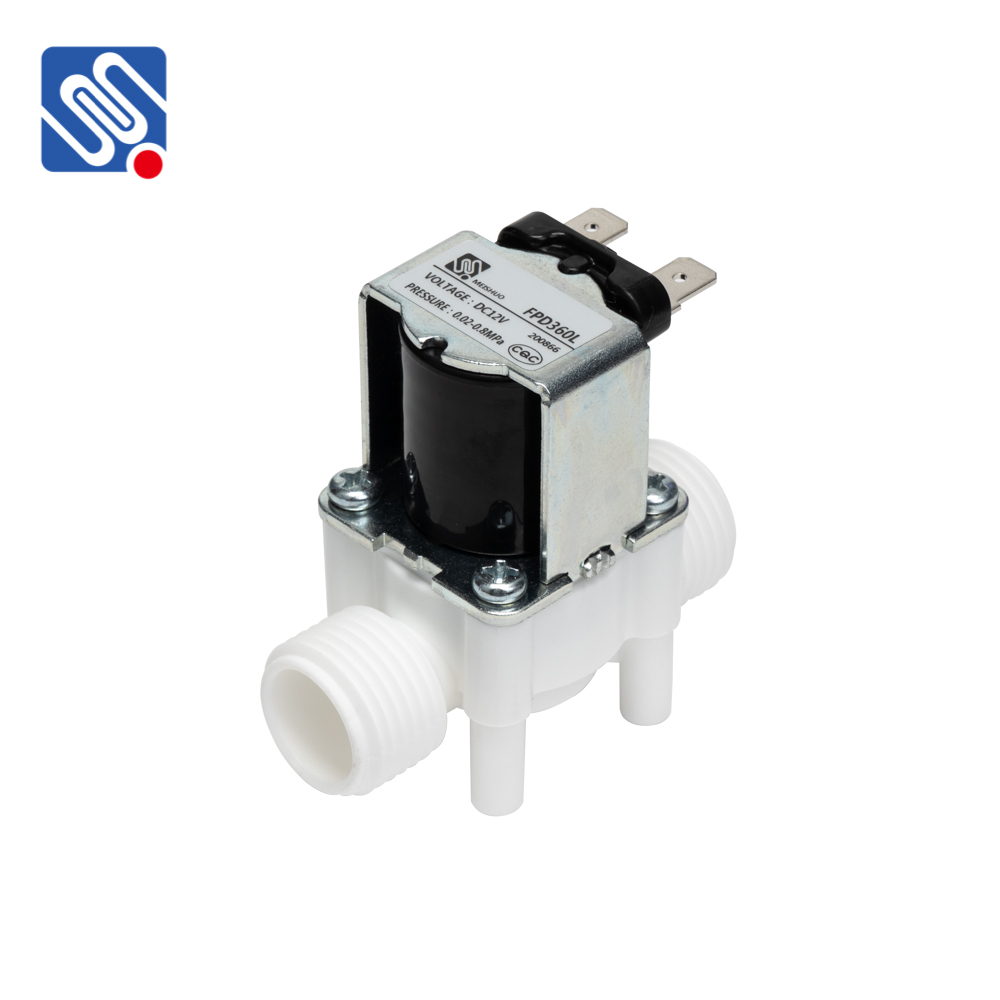
What is an AC Solenoid Valve? An AC solenoid valve consists of two main parts: an electromagnetic coil (solenoid) and a valve body with a moving component, usually called the valve stem or plunger. When alternating current (AC) is applied to the solenoid, it generates a magnetic field that moves the plunger. This motion opens or closes the valve, thereby controlling the flow of fluid or gas through the system. The solenoid coil is the heart of the valve, converting electrical energy into mechanical movement. When the coil is energized, it attracts or repels the plunger, and depending on the design, the valve either opens or closes. The presence or absence of current determines whether the valve is in an open or closed position, which makes the solenoid valve an essential tool for controlling the flow of various media, including water, air, steam, and even aggressive chemicals.