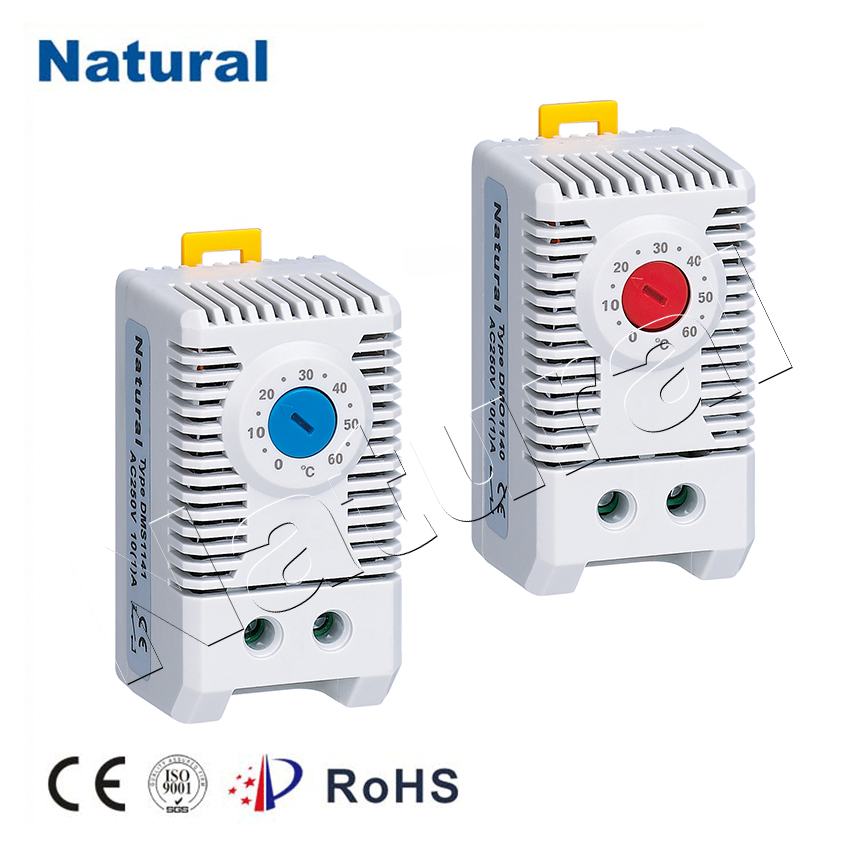
A 24V thermostat is an essential component in modern heating, ventilation, and air conditioning (HVAC) systems. Used to regulate the temperature in residential and commercial spaces, the 24V thermostat operates on a 24-volt electrical circuit, providing more efficiency and precision compared to other types of thermostats. In this article, we will explore how a 24V thermostat works, its advantages, and why it’s the preferred choice for many HVAC systems.
What is a 24V Thermostat?
A 24V thermostat is a type of temperature control system that uses a 24-volt electrical power supply. The primary function of a thermostat is to maintain a set temperature within a room by controlling the HVAC equipment. Typically, 24V thermostats are found in systems like central air conditioning, heating units, and boilers, where they help control the on-and-off cycles of the system to keep the indoor temperature stable. The key characteristic that distinguishes a 24V thermostat from other types is its voltage. Most residential HVAC systems operate on 24V circuits, making the 24V thermostat an ideal match for these setups. It is powered by a transformer that reduces the standard 120V or 240V household voltage to the 24V required for the thermostat.