In the modern world, electrical relays are an essential component for controlling electrical circuits. The 220V AC relay, in particular, plays a vital role in various domestic and industrial applications. It acts as a switch that allows a low voltage control signal to manage a high voltage AC circuit, making it crucial for safely controlling power flow in a wide range of devices and systems. This article explores the working principles, applications, and important features of the 220V AC relay, providing a deeper understanding of its significance in electrical systems.
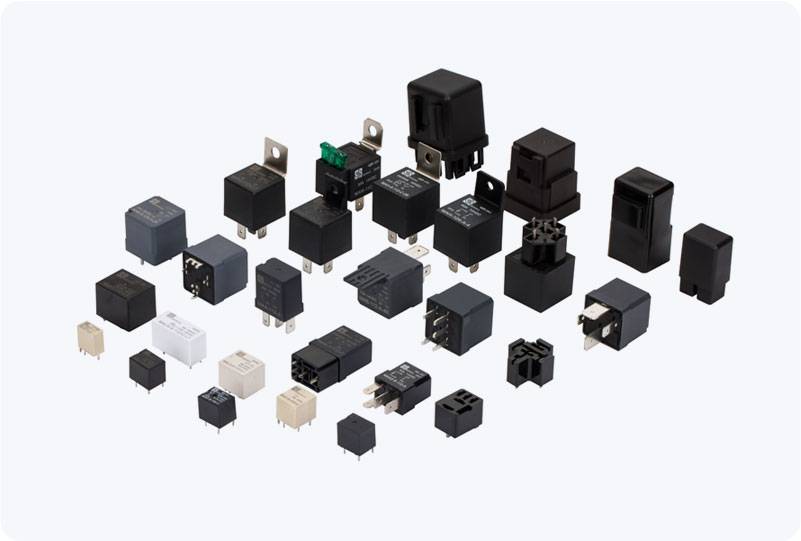
What is a 220V AC Relay? A 220V AC relay is an electrically operated switch used to control high-voltage AC circuits. It is designed to allow a low voltage (typically DC) control signal to activate the relay, which then opens or closes the connection in the high-voltage AC circuit. The most common voltage for such relays is 220V AC, which is used in household electrical systems and many industrial applications worldwide. Working Principle of the 220V AC Relay The relay works on the principle of electromagnetism. When an electrical current is passed through a coil in the relay (often referred to as the control or excitation coil), it generates a magnetic field. This magnetic field causes an internal armature (a movable part) to pull or push a set of contacts, either opening or closing them. The contacts can be configured as Normally Open (NO) or Normally Closed (NC) depending on the relay type and its intended use.