Electromechanical relays (EMRs) are essential components in modern electrical and electronic systems, enabling the control of electrical circuits with ease and reliability. These devices have been in use for decades, offering an efficient method of switching between circuits. Despite the rise of solid-state alternatives, electromechanical relays remain popular in many industries due to their robustness and versatility.
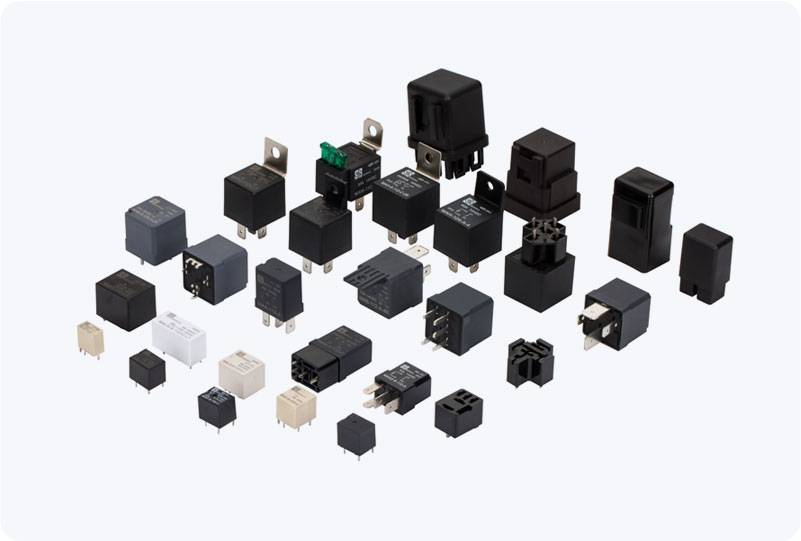
Working Principle of Electromechanical Relays The basic operation of an electromechanical relay involves an electromagnet, a movable armature, and a set of contacts. When a current flows through the relay’s coil, it generates a magnetic field. This magnetic field exerts a force on the armature, causing it to move. The armature’s movement either opens or closes a set of electrical contacts, allowing current to flow through the circuit. The contact arrangement can vary, with common configurations being Normally Open (NO), Normally Closed (NC), or Changeover (CO) contacts. The movement of the armature is typically aided by a spring, which returns it to its original position when the coil is no longer energized. This action ensures that the relay can switch back and forth between circuits as needed, providing a reliable mechanism for controlling electrical signals.