Switch relays are essential components in many electrical circuits, widely used in a variety of industries to control high-power devices with low-power signals. These electromechanical devices function as electrically controlled switches, allowing users to control circuits with precision while providing the necessary electrical isolation for safety. In this article, we will delve into the working principle of switch relays, their various applications, and their importance in modern electrical systems.
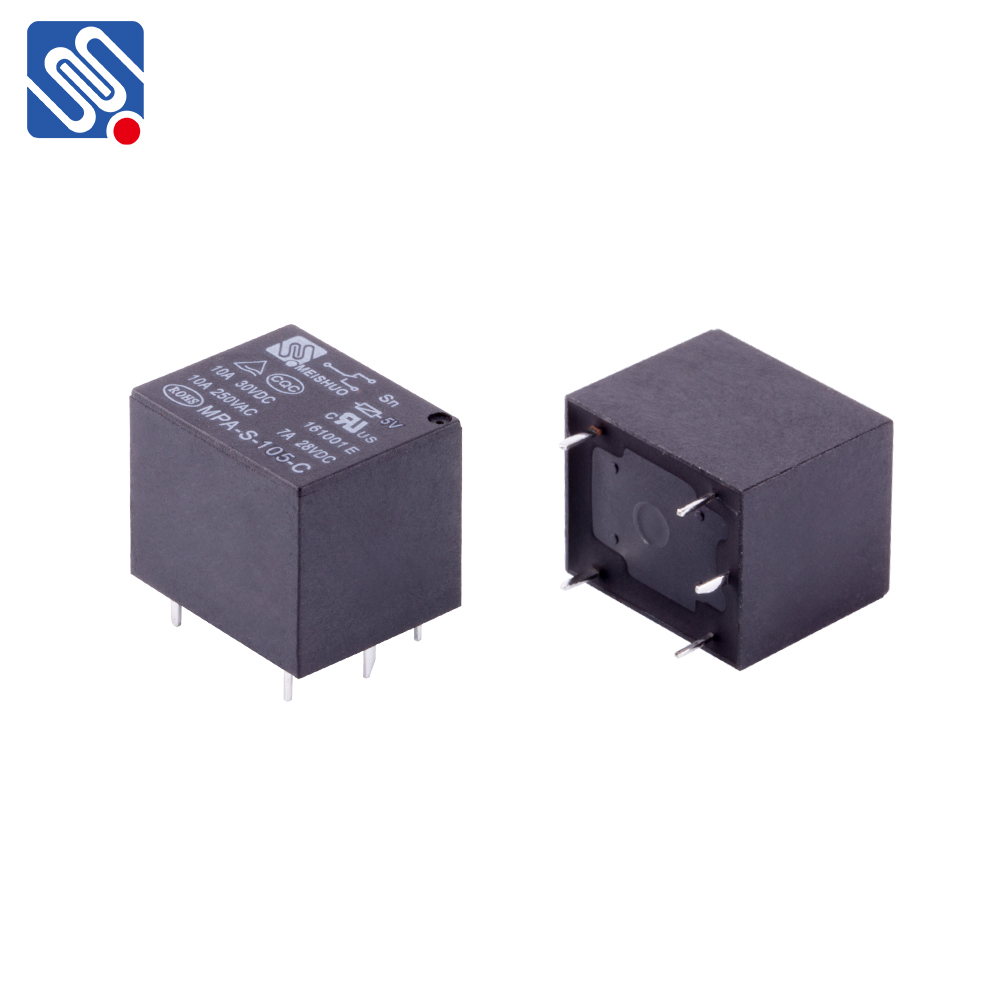
What is a Switch Relay? A switch relay is an electrical device that uses an electromagnet to operate a set of contacts, allowing it to open or close a circuit. When a low-power electrical signal (such as a small current or voltage) is applied to the relay, it activates the electromagnet inside the relay, which in turn pulls or releases the contacts. This results in the switching of the connected high-power circuit, enabling or disabling the flow of electricity. The fundamental components of a switch relay include an electromagnet, a spring, and a set of contacts. The electromagnet is powered by the control signal, and when energized, it generates a magnetic field that causes the contacts to either connect or disconnect. There are two main types of contact configurations: Normally Open (NO), where the contacts are open when the relay is not energized, and Normally Closed (NC), where the contacts are closed in the unpowered state.