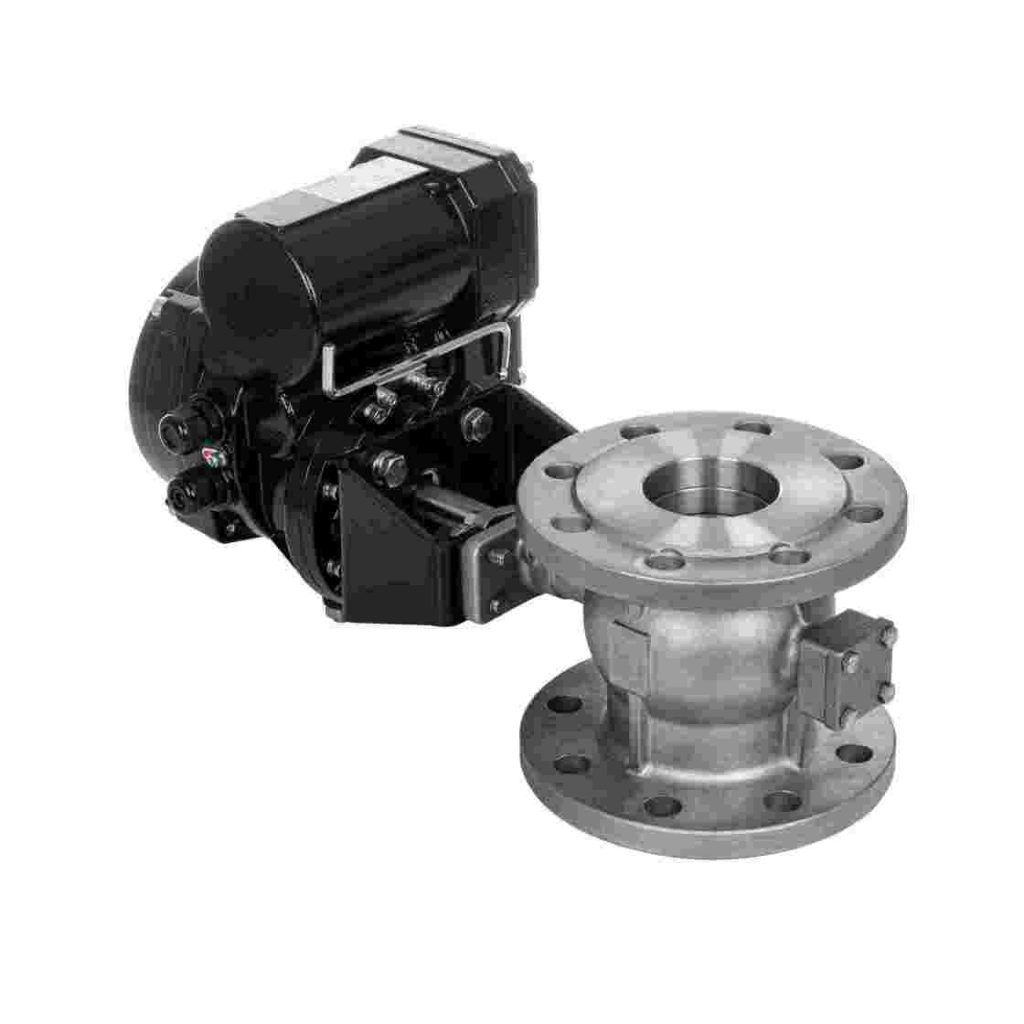
Hydrogen energy is rapidly emerging as a crucial player in the transition to a sustainable energy future. As nations worldwide strive to reduce their carbon footprints and reliance on fossil fuels, hydrogen offers a clean and efficient alternative. One essential component in harnessing hydrogen energy is the electric valve, specifically designed for hydrogen systems. This article explores the significance of hydrogen energy electric valves, their applications, advantages, and the challenges they face in the evolving energy landscape.
Understanding Hydrogen Energy

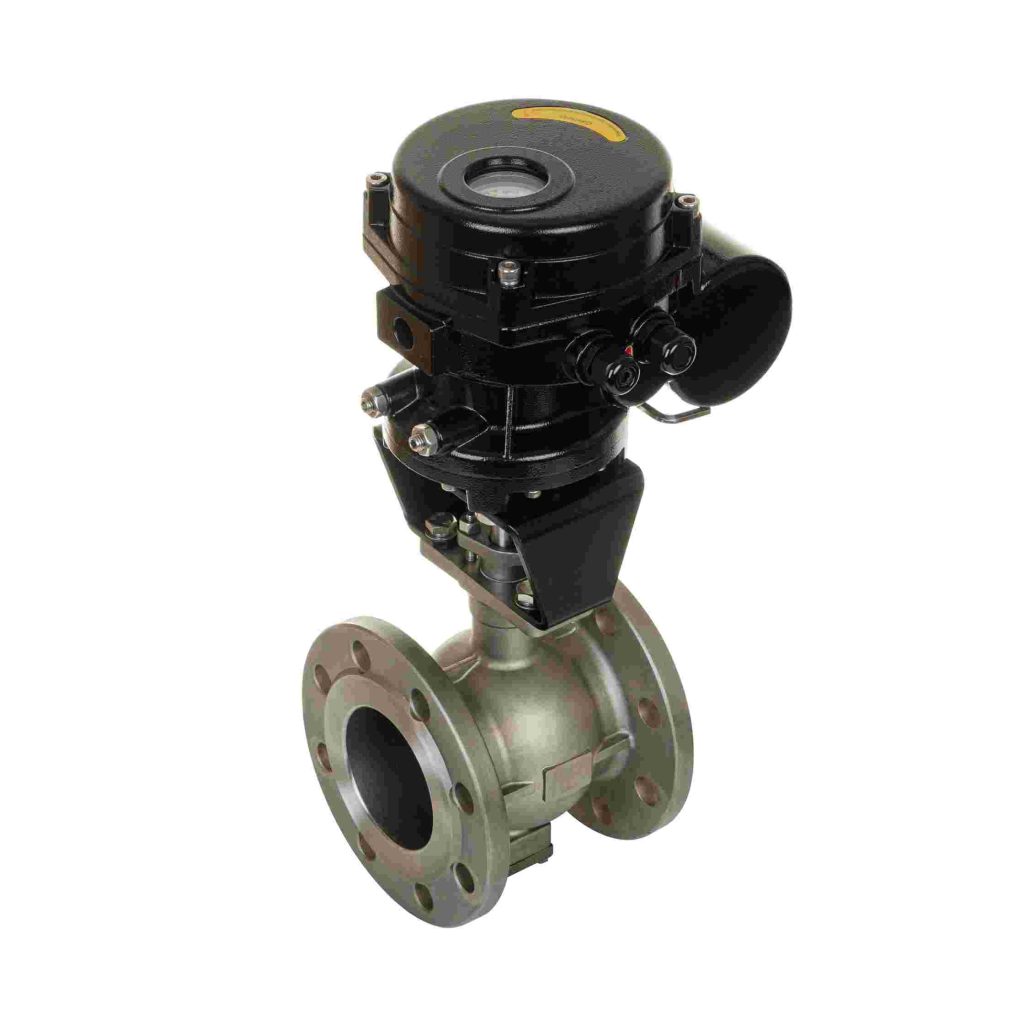
Hydrogen is the most abundant element in the universe and can be produced from various resources, including water, natural gas, and biomass. When used as an energy carrier, hydrogen produces only water vapor and heat as byproducts, making it a clean alternative to traditional fossil fuels. Hydrogen can be stored and transported easily, enabling its use in diverse applications, from fuel cells in vehicles to large-scale energy storage systems. The Function of Electric Valves in Hydrogen Systems Electric valves play a pivotal role in hydrogen energy systems, controlling the flow of hydrogen gas in pipelines, storage tanks, and fuel cell systems. These valves are actuated by electric motors, providing precise control over the valve’s opening and closing, thereby ensuring safe and efficient operation. The ability to modulate flow rates and pressure is critical in hydrogen applications, where even slight variations can lead to inefficiencies or hazards.