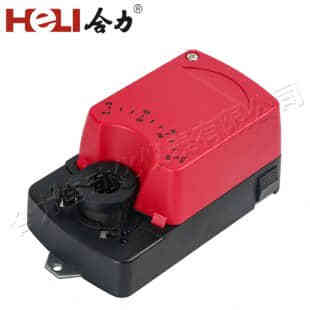
Damper actuators are essential components in heating, ventilation, and air conditioning (HVAC) systems. Their primary role is to control the opening and closing of dampers within ducts, which regulate airflow, temperature, and pressure across different sections of a building. By adjusting airflow, damper actuators contribute to energy efficiency, comfort, and indoor air quality. This article will explore the functions, types, and applications of damper actuators, as well as their impact on modern HVAC systems.
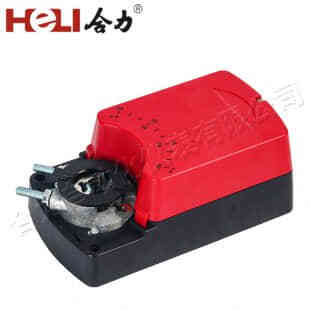
What is a Damper Actuator?
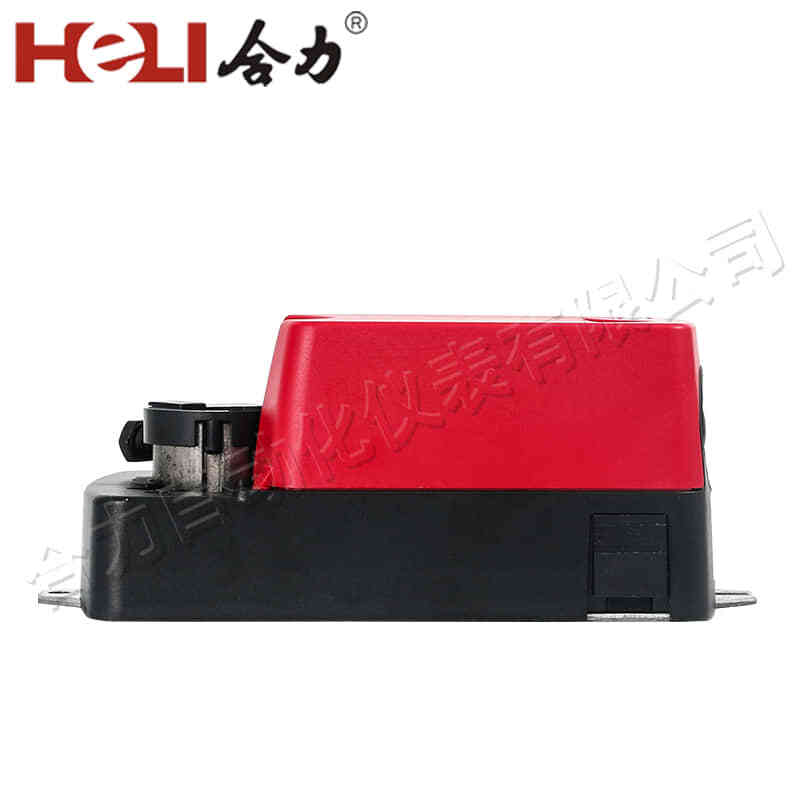
A damper actuator is an electromechanical device used to control the position of a damper, a movable panel that regulates airflow within ducts or vents. Dampers are typically installed in HVAC systems to direct air or to block airflow in certain areas when needed. The actuator, in turn, controls the damper by converting electrical signals into mechanical motion, usually through rotation or linear motion, depending on the actuator’s design. Types of Damper Actuators Damper actuators come in various types, each designed for specific applications. The most common types include: Electric Damper Actuators: These are powered by electric motors and are commonly used in commercial and industrial HVAC systems. Electric actuators provide precise control and can operate dampers with high accuracy, which is crucial for maintaining optimal airflow and system efficiency.