In recent years, the demand for sustainable and renewable energy has increased significantly, driven by the global effort to reduce carbon emissions and combat climate change. One of the key components in facilitating the efficient use and distribution of energy from renewable sources is the new energy relay. These relays are pivotal in applications such as electric vehicles (EVs), solar power systems, wind turbines, and energy storage solutions. In this article, we will explore the functions, features, and applications of new energy relays, highlighting their critical role in ensuring safe, efficient, and reliable energy management in modern power systems.
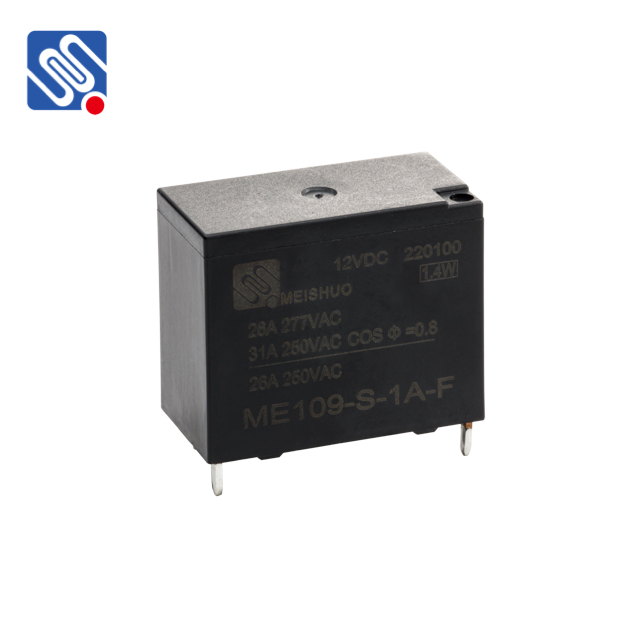
What is a New Energy Relay? A new energy relay is an electrical device that is designed to control the switching of electrical circuits in renewable energy systems. It operates by detecting electrical faults or changes in conditions (such as overvoltage, overcurrent, or overheating) and subsequently triggering the opening or closing of the circuit to protect sensitive equipment from damage. These relays are typically more robust and reliable than traditional relays, as they must withstand the unique demands and challenges presented by renewable energy sources, which often involve fluctuating power output and varying environmental conditions.