In recent years, the automotive industry has experienced a significant shift towards electric mobility, with New Energy Vehicles (NEVs) emerging as the front-runners in this transformation. The rise of electric vehicles (EVs) has brought about several technological innovations, one of which is the crucial role played by the New Energy Vehicle Relay. These relays are vital components within the high-voltage electrical systems of EVs, ensuring efficient power management, safety, and overall functionality. This article explores the importance of relays in electric vehicles, their working mechanisms, and the future trends that will shape their development.
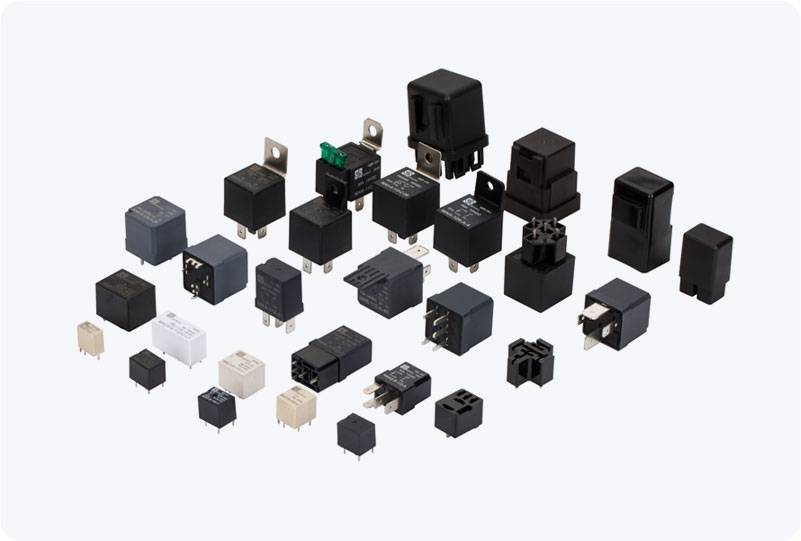
Understanding the New Energy Vehicle Relay Relays, in the context of electric vehicles, are electrical switches that control the flow of electrical current between different parts of the vehicle’s high-voltage system. They act as intermediaries, ensuring the safe and efficient operation of crucial systems such as the battery, motor, charging unit, and other electronics. These relays can be mechanical or solid-state, each offering distinct advantages in different operational scenarios. One of the most important functions of the New Energy Vehicle Relay is controlling the power distribution between the vehicle’s high-voltage components. This includes managing the current between the battery pack, electric motor, and other major systems. Relays enable the electric vehicle to function efficiently by controlling power flow and preventing system overloads or damage.