Relay production plays a crucial role in the modern world of electrical and electronic systems. A relay is an electrical switch used to control circuits by opening or closing contacts in response to an electrical signal. These versatile components are used in a wide variety of applications, from household appliances and automotive systems to industrial control and automation. This article provides a comprehensive overview of the relay production process, highlighting the steps involved in manufacturing these essential components.
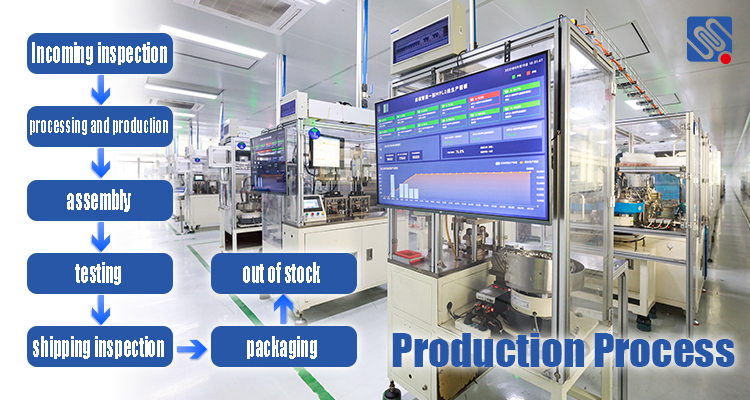
Understanding Relays: The Basics Before delving into the production process, it’s essential to understand what a relay is and how it works. A relay typically consists of an electromagnet, a set of contacts, and a spring. When an electrical current flows through the electromagnet, it creates a magnetic field that moves the contacts, either opening or closing the circuit. This mechanism allows a low-power signal to control a high-power circuit, making relays a vital component in various control systems. Relays can be categorized into different types, such as mechanical relays, solid-state relays, and reed relays. Each type has specific applications depending on factors such as switching capacity, speed, and durability.