In industrial environments, safety is paramount. One crucial aspect of ensuring safety is the proper use of safety lockout padlocks. These simple yet highly effective devices play a critical role in protecting workers from accidents related to the unexpected release of hazardous energy during maintenance or repair work. The lockout/tagout (LOTO) procedure, which includes the use of lockout padlocks, is designed to prevent the accidental startup of machinery or equipment while workers are servicing or maintaining them. This article will explore the significance of safety lockout padlocks, their key features, and their applications in various industries.
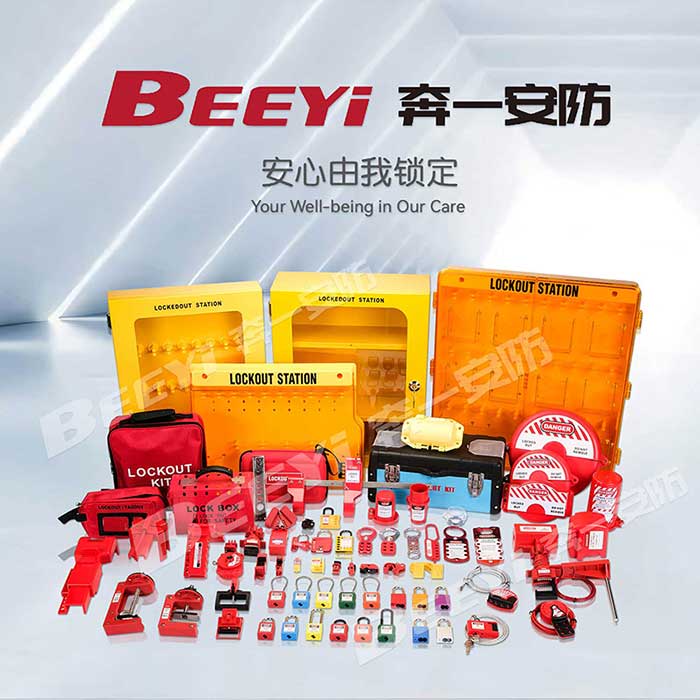
What Are Safety Lockout Padlocks? Safety lockout padlocks are specialized locks designed to secure energy-isolating devices, preventing unauthorized or accidental activation of machinery during maintenance work. These locks are an integral part of the lockout/tagout procedure, which involves “locking out” energy sources to ensure they cannot be activated while workers are performing tasks like repairs, servicing, or inspections. The primary goal of these locks is to safeguard workers from being injured by the unintended release of electrical, mechanical, hydraulic, or other types of hazardous energy.