In modern electronic systems, relays play a crucial role in enabling the control of high-power devices with low-power signals. Among the various types of relays, PCB electromagnetic relays have become a popular choice due to their compact size, reliability, and efficient design. These relays are specifically designed to be mounted directly onto a printed circuit board (PCB), making them an essential component in various applications, ranging from consumer electronics to industrial automation.
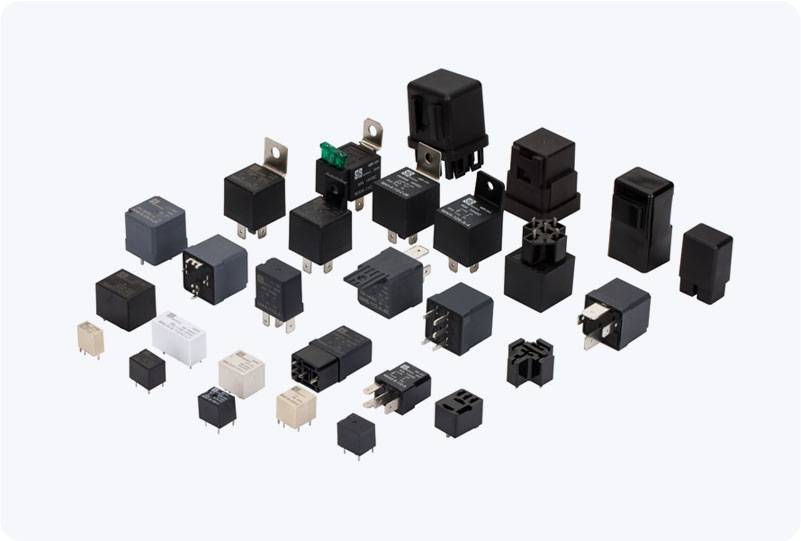
What is a PCB Electromagnetic Relay? A PCB electromagnetic relay is an electrical switch that uses an electromagnet to control the opening and closing of one or more contacts. The electromagnet is energized by a small current, which creates a magnetic field that moves an armature. This movement shifts the relay’s contacts, thereby controlling the flow of electricity in a separate circuit. The ability to control large electrical currents with low-power control signals is one of the primary reasons relays are widely used in electronic systems. How PCB Electromagnetic Relays Work At the heart of the PCB electromagnetic relay is the electromagnet or coil. When an electric current passes through the coil, it generates a magnetic field. This magnetic field attracts or repels the armature, which is a small mechanical component connected to the relay’s contacts. The armature’s movement opens or closes the contacts, allowing or interrupting the current flow in the external circuit.