In the realm of fluid control systems, non-toxic solenoid valves play an essential role across a variety of industries, particularly where cleanliness and safety are paramount. These valves are engineered to ensure that fluids are managed without the risk of contaminating the substances they control, making them indispensable in sectors such as food processing, pharmaceuticals, and wastewater treatment. As consumers and regulatory bodies become increasingly aware of safety and health standards, the significance of non-toxic solenoid valves continues to rise.
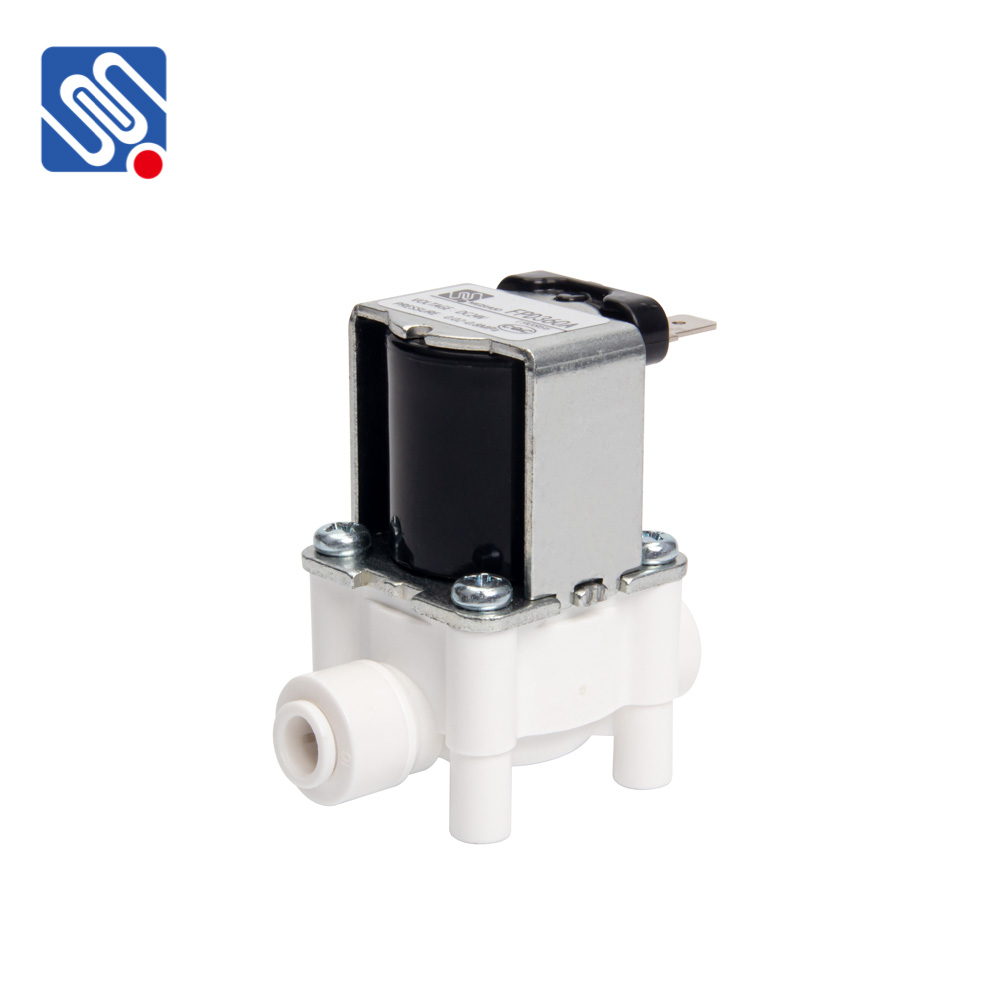
Understanding Non-toxic Solenoid Valves A non-toxic solenoid valve is specifically designed to operate without releasing harmful chemicals or contaminants into the fluid it controls. These valves are typically made from materials that comply with stringent safety and health regulations. Common materials include food-grade plastics, stainless steel, and brass that are designed to be free from toxic substances like lead and phthalates. This makes them suitable for a range of applications, particularly in environments where human health is at stake. Key Features of Non-toxic Solenoid Valves