In today’s fast-paced technological world, energy efficiency and optimal performance are paramount, especially in electronic devices. Among the many components that facilitate efficient operation in electronic systems, low-power relays have emerged as essential parts, serving various applications across numerous industries. This article will delve into the significance of low-power relays, their functionality, advantages, and applications, illustrating why they are crucial in modern electronics.
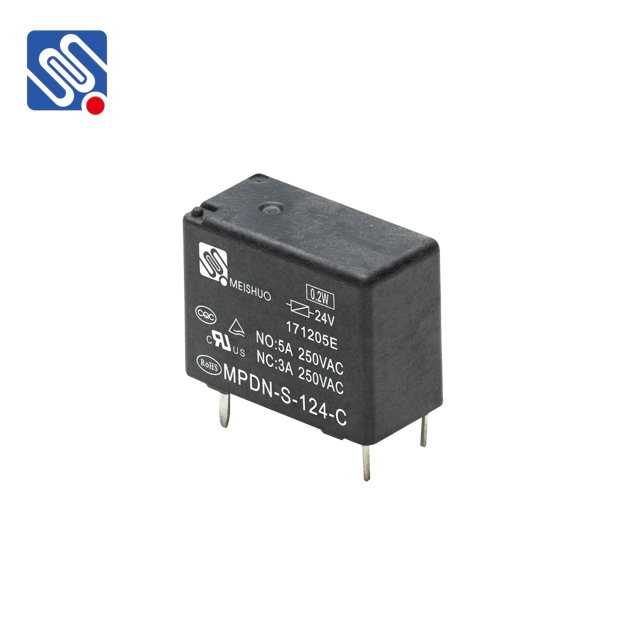
Understanding Low-Power Relays A low-power relay is an electromechanical switch designed to control higher power circuits with a low voltage and current input. Typically operating at voltages like 5V or 12V, these relays can switch larger loads (such as 230V AC or higher DC currents) while consuming minimal energy. This unique feature makes low-power relays vital in applications where power efficiency is critical, such as in portable devices and smart technologies. Functioning Mechanism The basic operation of a low-power relay involves an electromagnetic coil and a set of contacts. When the relay is energized by a low-power signal, the current flowing through the coil generates a magnetic field, which pulls a movable armature. This movement either opens or closes the circuit contacts, allowing a higher power load to be controlled. The design allows for isolation between the control circuit and the load circuit, enhancing safety and reliability.