Lockout safety padlocks are critical components of workplace safety programs, particularly in industries where workers are exposed to hazardous machinery, electrical systems, or dangerous chemicals. These specialized locks are used as part of a lockout/tagout (LOTO) procedure to prevent the accidental release of hazardous energy while maintenance or repair work is being performed. This article will explore the role of lockout safety padlocks in protecting workers, the standards for their use, and their benefits in industrial environments.
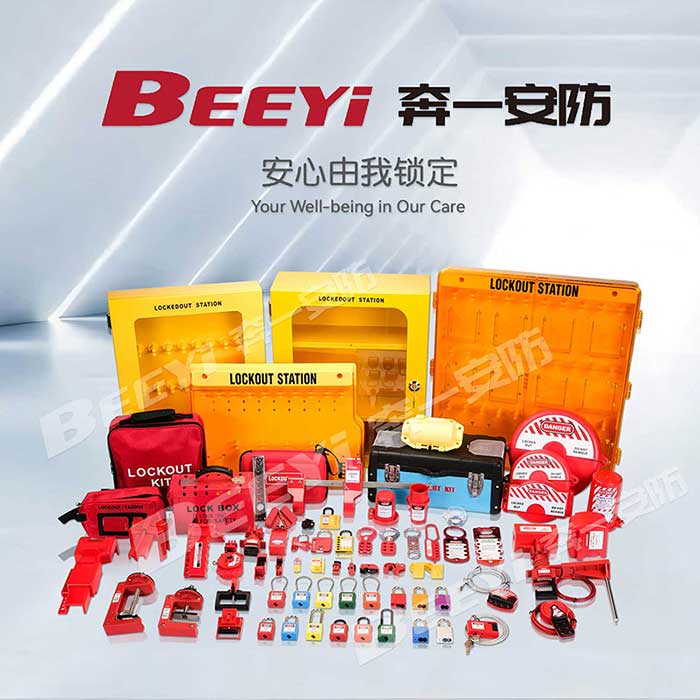
What Are Lockout Safety Padlocks? Lockout safety padlocks are specifically designed to secure energy-isolating devices such as valves, switches, or electrical circuits, preventing unauthorized access and activation of machinery during maintenance or repair. These padlocks are typically made from durable materials like nylon or aluminum to withstand the harsh conditions of industrial environments. They are often brightly colored, with customizable tags that help workers identify which devices are locked out and which are safe to operate. The primary function of a lockout safety padlock is to prevent accidental machine startup or release of hazardous energy, which can lead to serious injuries or fatalities. The lockout procedure ensures that only authorized personnel can access or activate equipment, creating a safer work environment for everyone involved.