Lock Out Tag Out (LOTO) devices are critical components of industrial safety programs, designed to protect workers from the dangers of hazardous energy during maintenance and repair tasks. The primary goal of LOTO devices is to ensure that machinery or equipment is completely shut down, isolated, and rendered inoperative before maintenance or repair work begins. By doing so, these devices help prevent accidental starts, releases of stored energy, and other dangerous situations that could cause serious injuries or fatalities. In this article, we will explore the importance, types, and proper use of Lock Out Tag Out devices in ensuring a safe working environment.
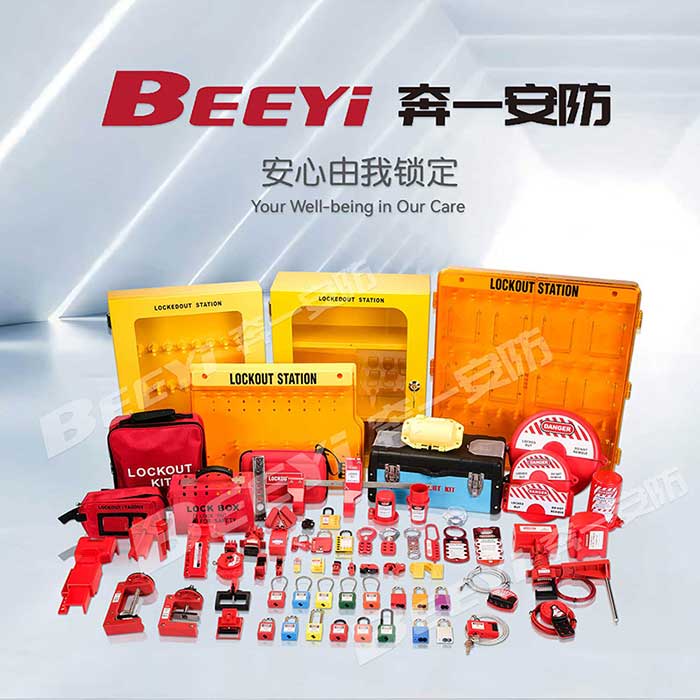
What are Lock Out Tag Out Devices? Lock Out Tag Out devices are used in conjunction with specific procedures to isolate hazardous energy sources and prevent them from being inadvertently activated. These devices can take the form of locks, tags, and other physical devices, all designed to ensure that energy sources—such as electrical, hydraulic, pneumatic, thermal, or mechanical energy—are effectively controlled while maintenance personnel are working on equipment. The LOTO process typically involves two key steps: Lockout – This is the physical act of placing a lock on an energy-isolating device (such as a valve, switch, or circuit breaker) to prevent the flow of energy.