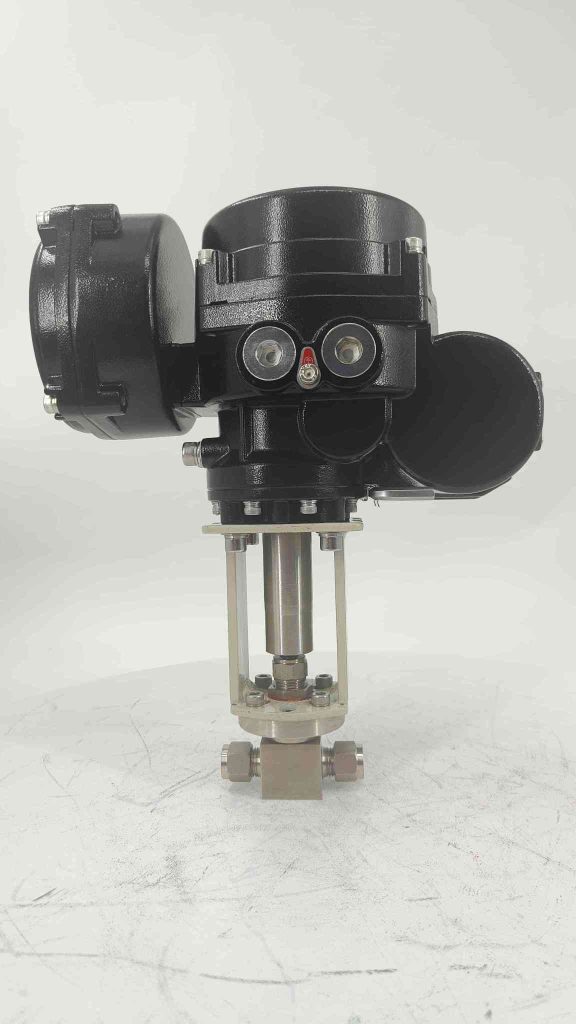
Lithium batteries are pivotal in powering many of the devices we rely on daily, from smartphones and laptops to electric vehicles (EVs) and renewable energy storage systems. However, behind their seemingly simple design lies a complex and highly engineered system that ensures their safe and efficient operation. One of the unsung heroes in this system is the lithium battery valve. In this article, we will explore the role, importance, and advancements of lithium battery valves, and how they contribute to the overall safety and functionality of lithium-based power storage systems.
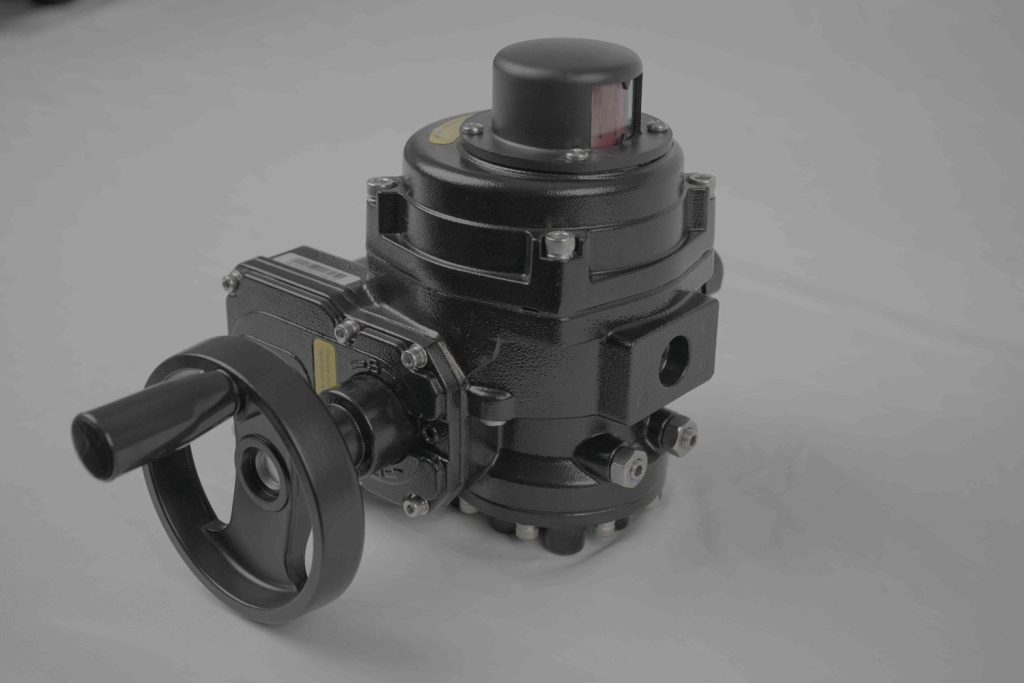
What is a Lithium Battery Valve?
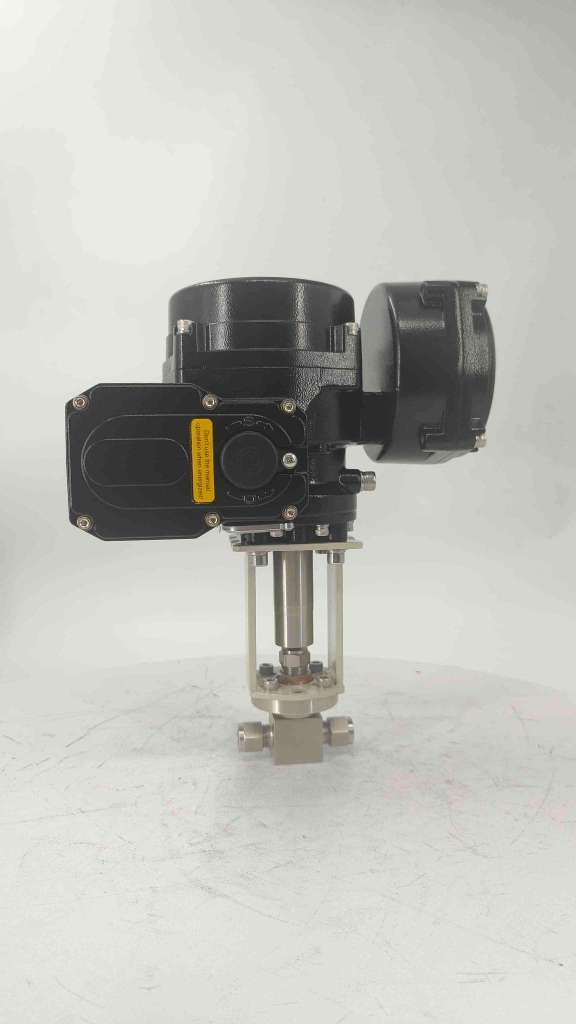
A lithium battery valve is a crucial safety mechanism embedded within the battery design to protect it from excessive pressure or internal damage caused by a variety of factors, including overcharging, temperature fluctuations, or short circuits. These valves are typically part of the battery’s venting system, which ensures that any built-up gas or pressure inside the cell is safely released, thus preventing catastrophic failure or potential hazards such as explosions or fires. The valve is an integral part of a pressure relief system, which is designed to maintain a balanced internal pressure and avoid situations where the battery could fail due to increased internal temperature or gas accumulation. This pressure buildup often occurs when the battery goes into thermal runaway—a condition in which chemical reactions within the battery cause a rapid increase in temperature, resulting in the release of gases such as hydrogen and oxygen. If these gases cannot escape, they can lead to swelling, rupture, or even fire.