The IEC 61811 Power Relay standard plays a vital role in the realm of electrical engineering, specifically in the design, manufacturing, and application of power relays. Developed by the International Electrotechnical Commission (IEC), this standard sets forth guidelines that ensure the reliability, safety, and performance of power relays used in various electrical systems. As industries continue to evolve with increasing demands for efficiency and automation, understanding the significance of the IEC 61811 standard becomes critical for engineers, manufacturers, and end-users alike.
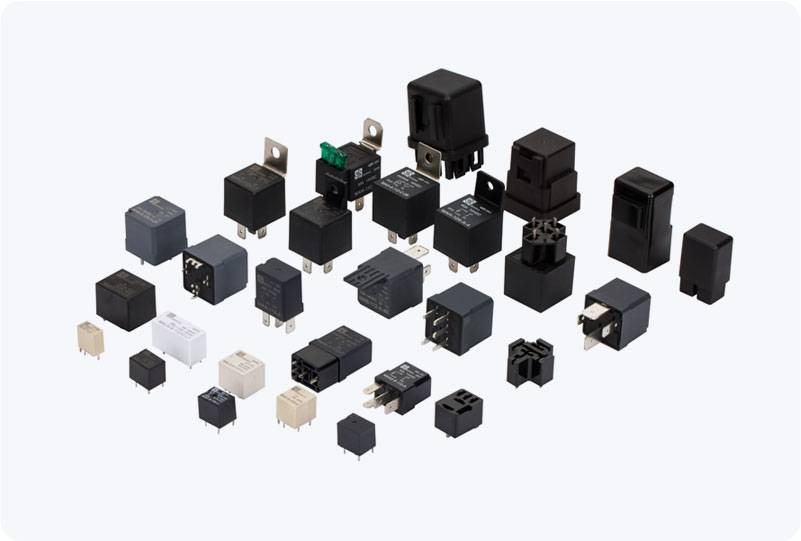
Overview of IEC 61811 At its core, IEC 61811 focuses on power relays—switching devices that are crucial for controlling and protecting electrical circuits. These devices can include both electromechanical relays and solid-state relays, which are widely used in power systems, industrial automation, and various electronic applications. The standard outlines the performance criteria, testing methods, and safety requirements that these relays must meet to ensure they operate effectively under various conditions. Performance Requirements One of the key aspects of IEC 61811 is the detailed performance requirements it stipulates for power relays. This includes specifications regarding rated voltage and current, contact configurations, and current-carrying capacity. The standard ensures that relays can handle different operational environments, from regular indoor settings to more extreme conditions involving temperature fluctuations, humidity, and mechanical stress.