Electrical equipment lockouts (LOTO) are an essential safety procedure used to prevent the accidental release of hazardous energy during maintenance or repair activities on electrical systems and equipment. These procedures are a crucial component of workplace safety programs, particularly in industries that involve high-voltage equipment or machinery. The primary goal of lockout/tagout (LOTO) is to protect workers from electrical hazards by ensuring that machinery remains de-energized and cannot be accidentally activated while it is being serviced.
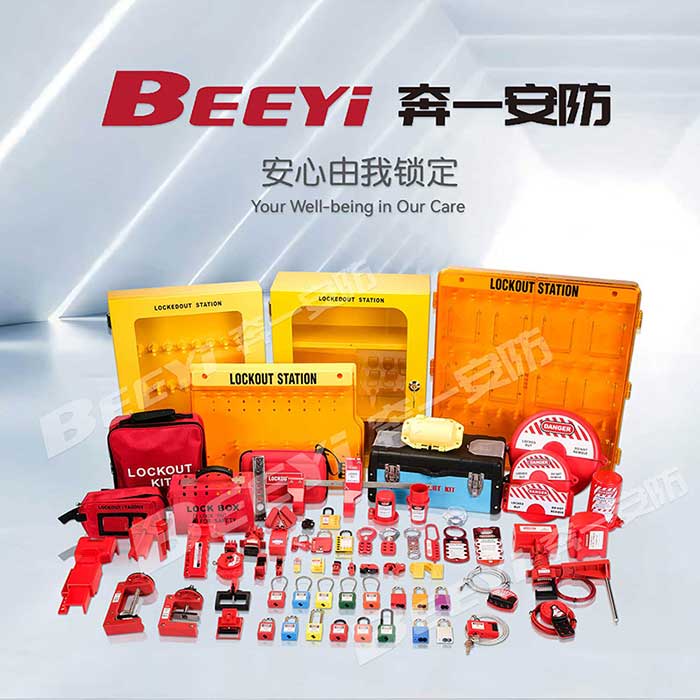
What is Electrical Equipment Lockout? At its core, an electrical equipment lockout involves physically locking an electrical control device, such as a switch, valve, or breaker, to prevent the inadvertent release of electrical energy. This typically includes attaching a lock to the control point, accompanied by a tag that provides clear communication about the status of the equipment. Lockouts can apply to a wide range of electrical systems, from large industrial machines to smaller, localized electrical circuits. Lockout/tagout is typically part of an employer’s overall safety program, especially in industries such as manufacturing, utilities, construction, and any area where electrical hazards are present. It is a regulatory requirement in many countries and forms a core part of health and safety standards such as OSHA’s Lockout/Tagout Standard (29 CFR 1910.147) in the United States.