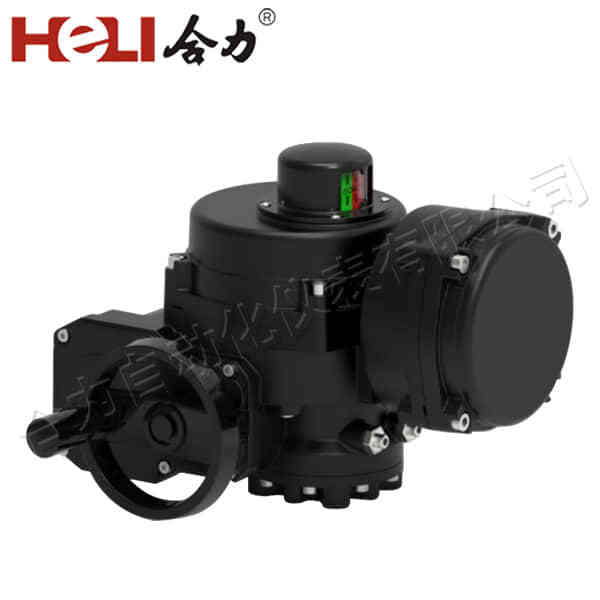
Electric actuators are pivotal components in various automation systems, playing a critical role in converting electrical energy into mechanical motion. As industries increasingly shift towards automation for improved efficiency and reliability, electric actuators have emerged as a key technology in applications ranging from manufacturing to aerospace. This article explores the working principles, advantages, applications, and future trends of electric actuators.
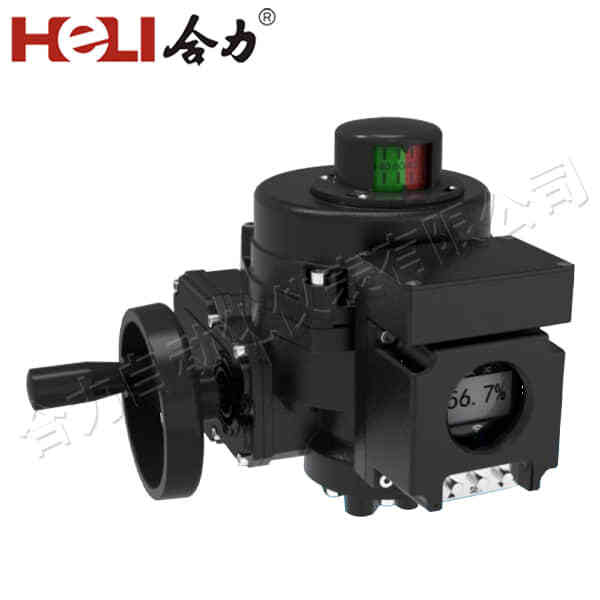
Understanding Electric Actuators
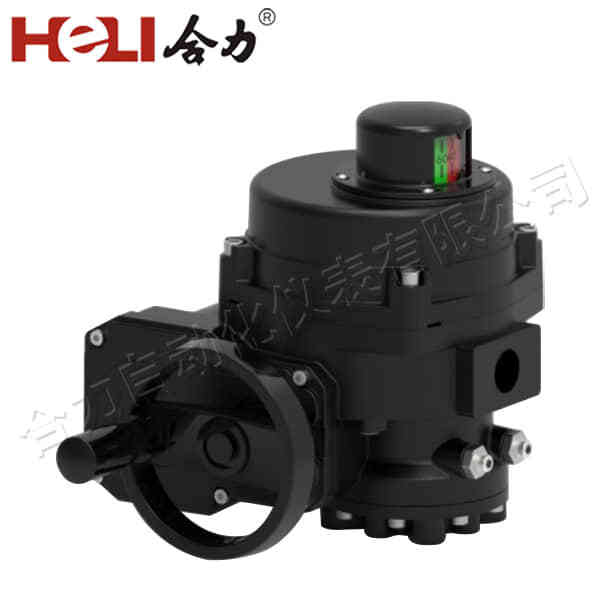
An electric actuator is a device that uses electrical energy to create motion. This motion can be linear or rotary, depending on the actuator’s design and application. Electric actuators typically consist of an electric motor, a gearbox, and a mechanical linkage. The motor generates rotational motion, which is then converted into linear motion by the gearbox and linkage. This conversion process allows for precise control over position, speed, and force. There are several types of electric actuators, including: Linear actuators: These produce straight-line motion and are commonly used in applications such as robotic arms, valve control, and conveyor systems.