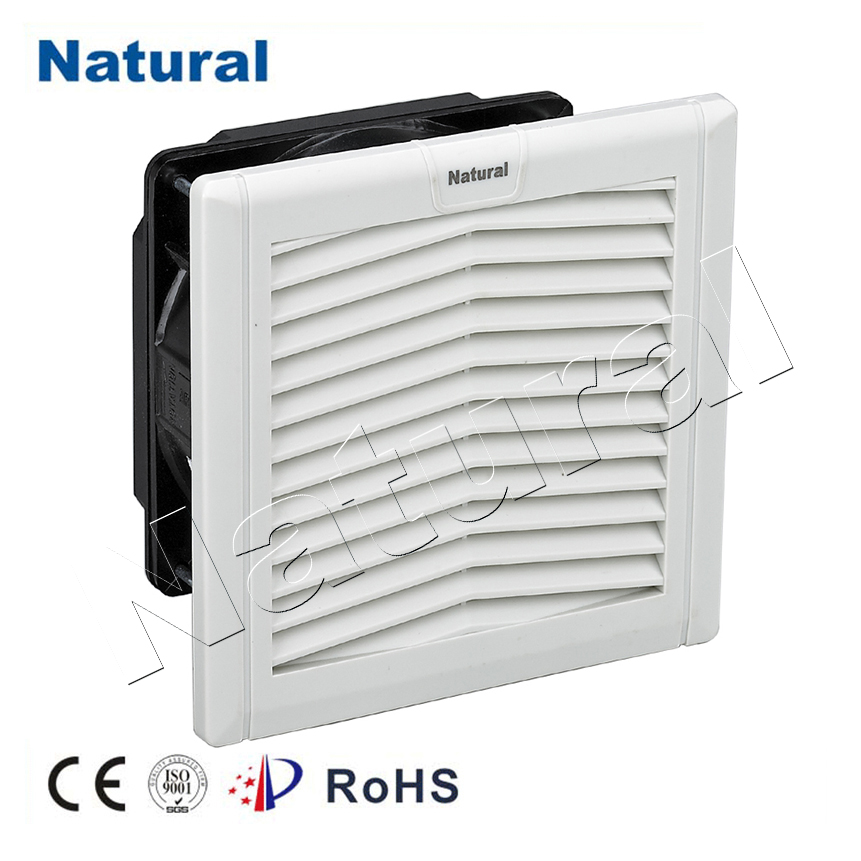
Cooling fan filters play a critical role in maintaining the efficiency, performance, and longevity of various electronic devices, machinery, and systems. From computers and servers to industrial equipment and HVAC systems, cooling fan filters ensure that cooling mechanisms function optimally by preventing dust, dirt, and debris from obstructing airflow. In this article, we will delve into the significance of cooling fan filters, their types, how they contribute to system longevity, and why they should be an essential consideration for anyone managing or maintaining cooling systems.
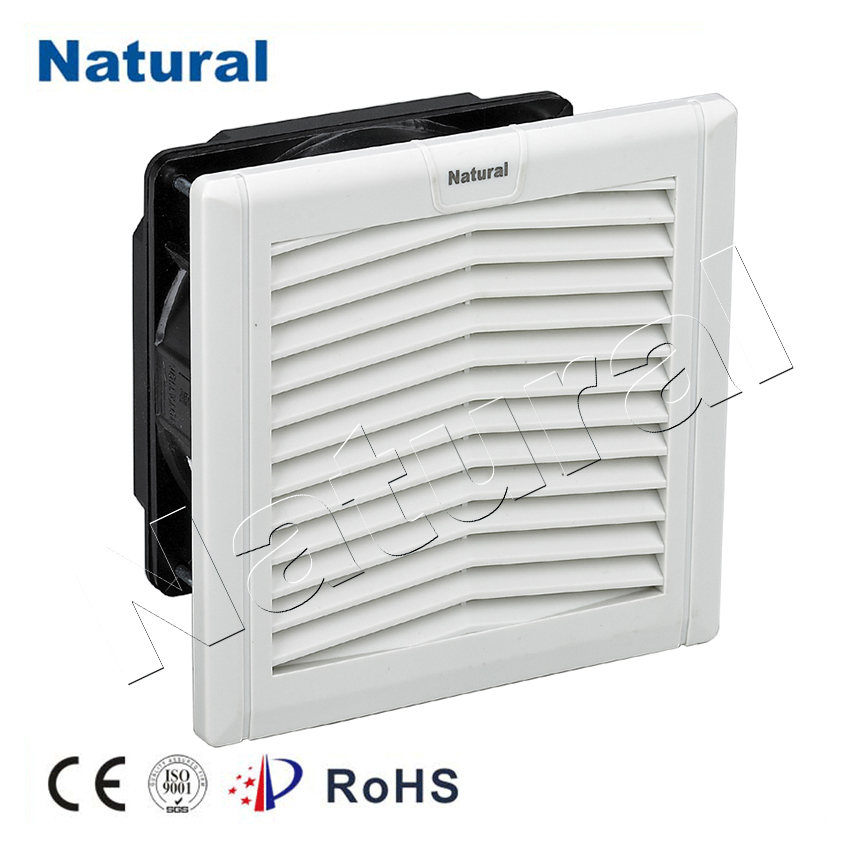
The Role of Cooling Fan Filters
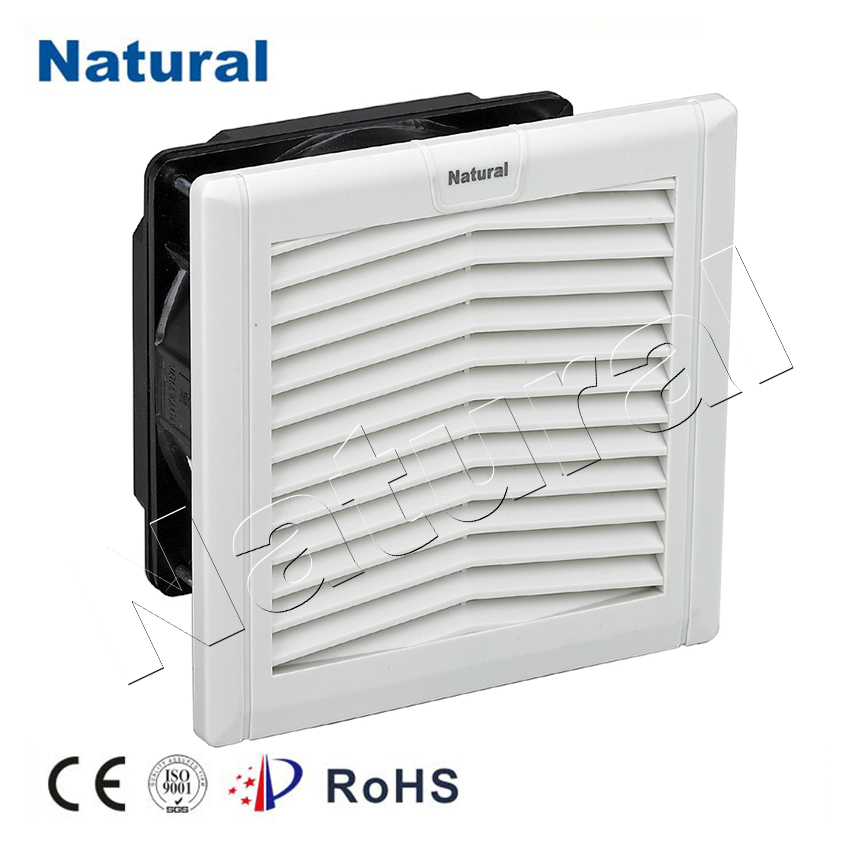
Cooling systems, whether in electronic devices or large industrial machinery, rely on airflow to maintain temperature regulation. Fans, typically integrated into these systems, draw in air to cool components. However, the intake of air also brings in unwanted particles such as dust, lint, and other contaminants, which can clog the cooling fan’s mechanisms, reduce airflow, and increase the risk of overheating. This is where cooling fan filters come into play. Cooling fan filters are designed to trap and contain these particles, ensuring that the airflow remains clean and efficient. By filtering out dust and debris, these filters not only improve airflow but also protect sensitive components from potential damage caused by overheating or corrosion. The result is a more reliable cooling system that runs smoothly and maintains its designed performance over time.