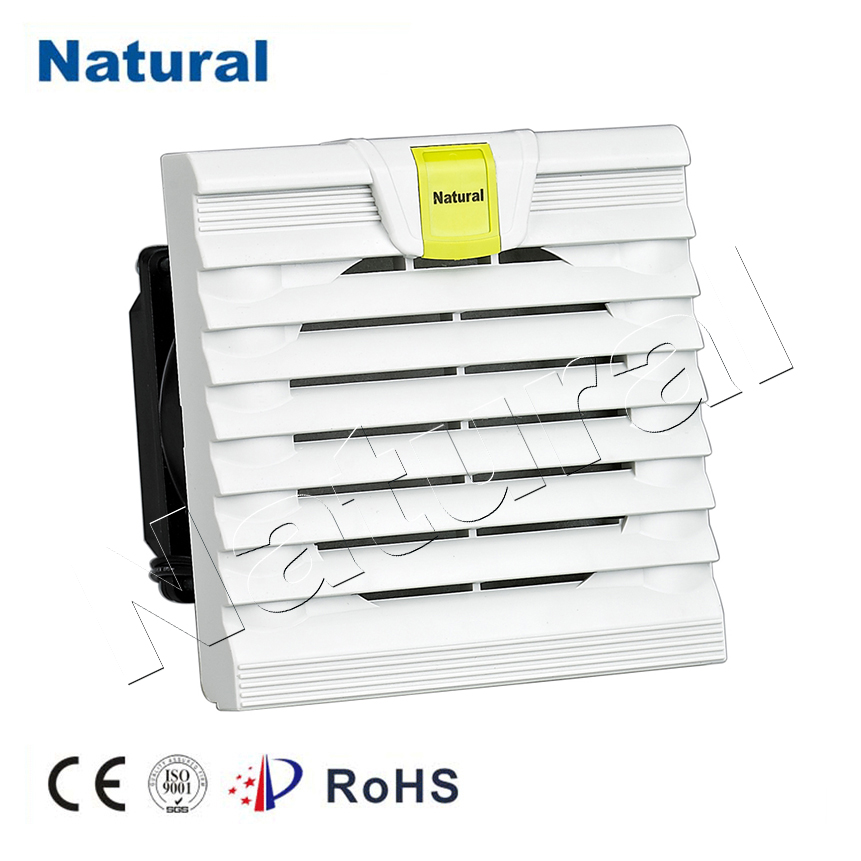
In today’s fast-paced world, maintaining clean and healthy indoor air is crucial, not only for our health but also for the longevity of various equipment. One of the unsung heroes in this endeavor is the cabinet filter. Often found in a variety of systems, including HVAC units, industrial machines, and electronics, the cabinet filter plays a significant role in improving air quality and safeguarding sensitive equipment. This article explores the importance of cabinet filters, their functionality, types, and the benefits they provide in different environments.
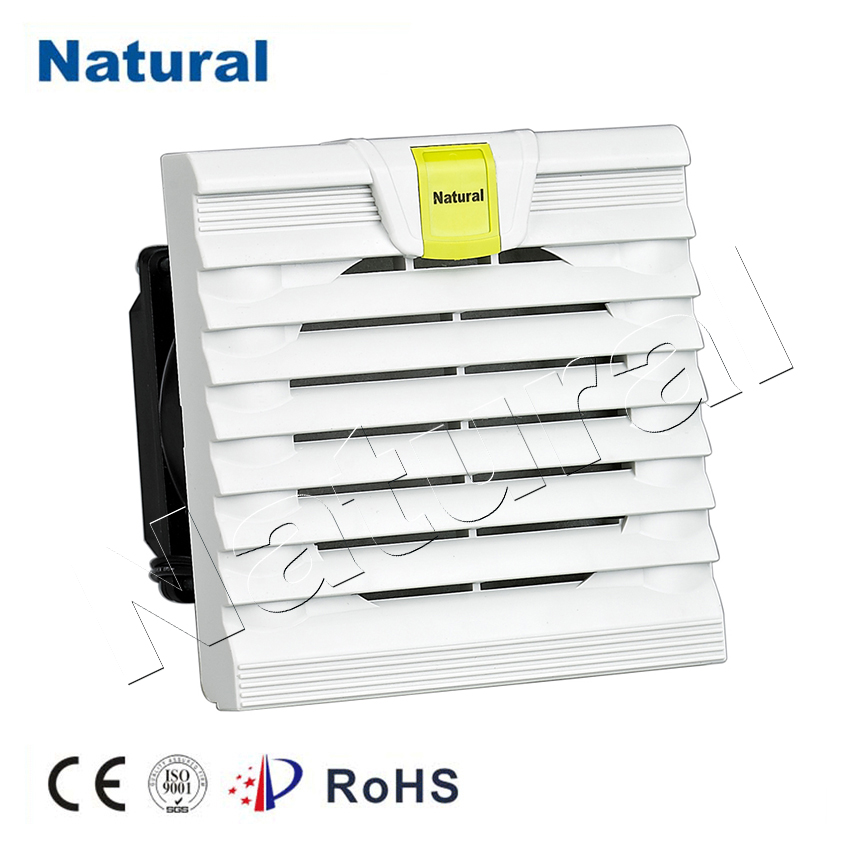
What is a Cabinet Filter?
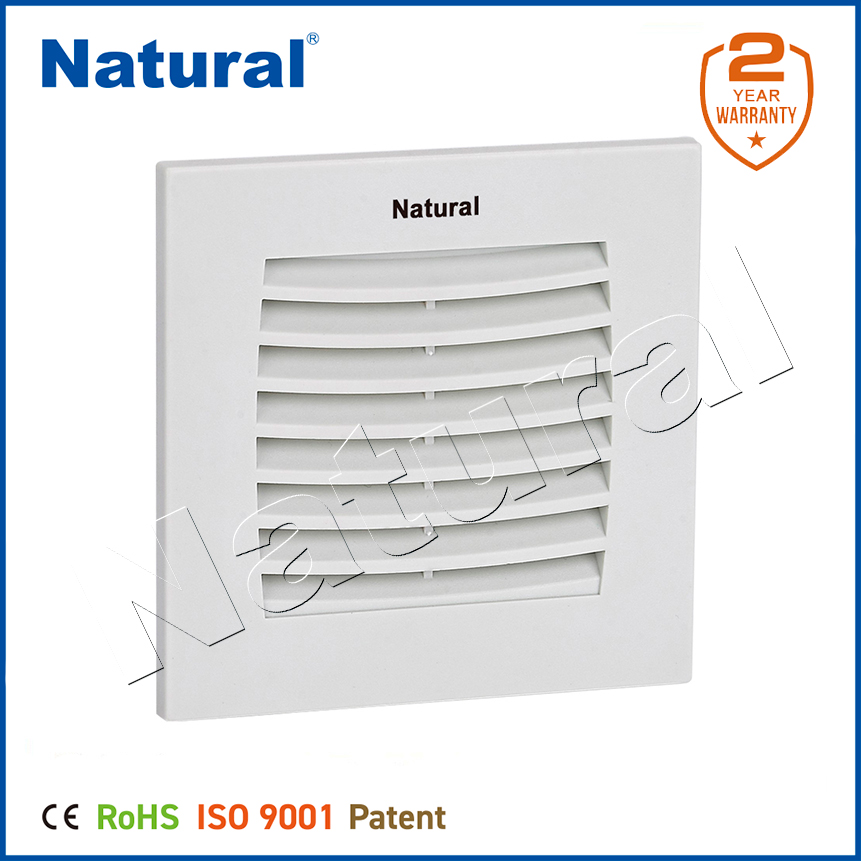
A cabinet filter is a filtration system typically installed in enclosed cabinets or machinery to purify the air that enters these spaces. It is designed to trap dust, dirt, pollutants, and other particulate matter that could potentially cause damage to the internal components of machines or affect the air quality in an enclosed environment. These filters are often used in conjunction with other types of air filtration systems to ensure optimal performance and protection. Functionality of Cabinet Filters The primary function of a cabinet filter is to prevent contaminants from entering sensitive equipment housed in the cabinet. By doing so, it protects components such as electrical parts, cooling systems, and machinery from the adverse effects of dirt, moisture, and particles in the air. Over time, dust and pollutants can build up within machinery, potentially leading to overheating, malfunction, or even complete system failure. The cabinet filter ensures that clean air enters, reducing the risk of such issues.