Lithium-ion batteries have revolutionized the way we store and use energy, from powering portable electronics to driving electric vehicles (EVs) and providing large-scale energy storage solutions. However, as their demand has grown, so too has the need for advanced safety features that can prevent malfunctions or catastrophic failures. One of the key components designed to ensure the safety and longevity of these batteries is the Stainless Steel Lithium Battery Valve. This small yet essential part plays a critical role in maintaining the battery’s integrity and preventing potential hazards.
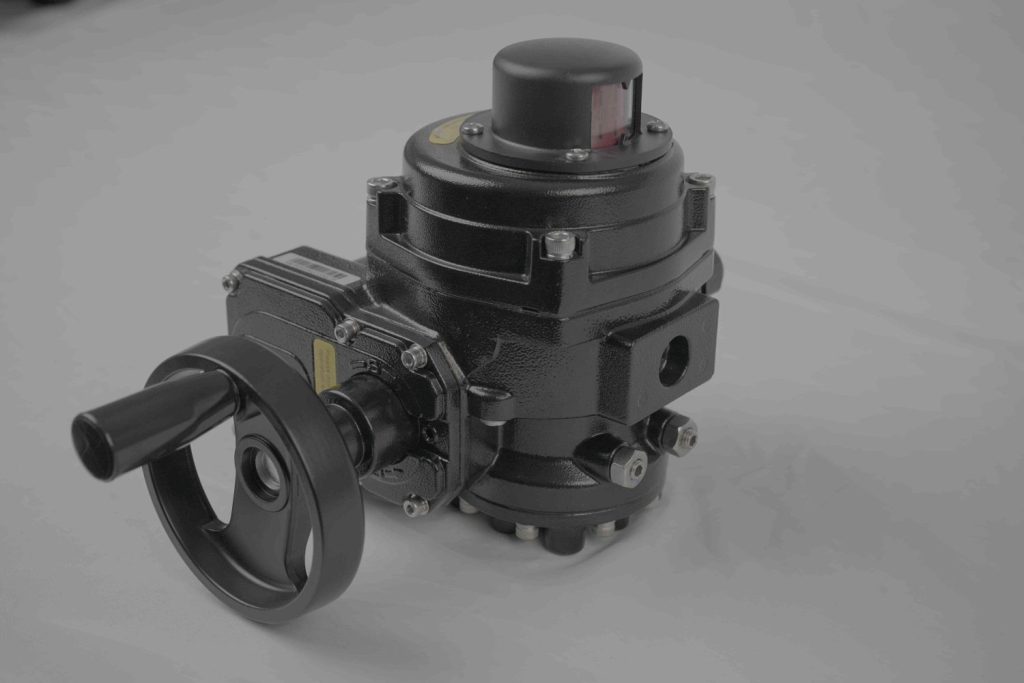
What is a Stainless Steel Lithium Battery Valve? A Stainless Steel Lithium Battery Valve is a safety device designed to control internal pressure in lithium-ion batteries. It is typically installed in the battery casing to provide a means for venting gases if the internal pressure exceeds safe levels. These valves are made from stainless steel due to its excellent durability, corrosion resistance, and ability to withstand extreme conditions such as high temperatures and pressure. Why Is It Necessary? Lithium-ion batteries, while highly efficient, can be prone to certain risks if not properly managed. Overcharging, short circuits, or exposure to extreme temperatures can cause the battery to overheat and generate gases. If the pressure inside the battery reaches unsafe levels, it can lead to swelling, leakage, rupture, or even an explosion. In these situations, the Stainless Steel Lithium Battery Valve plays a vital role by releasing the excess pressure and allowing gases to escape in a controlled manner, thus preventing potential battery failure.