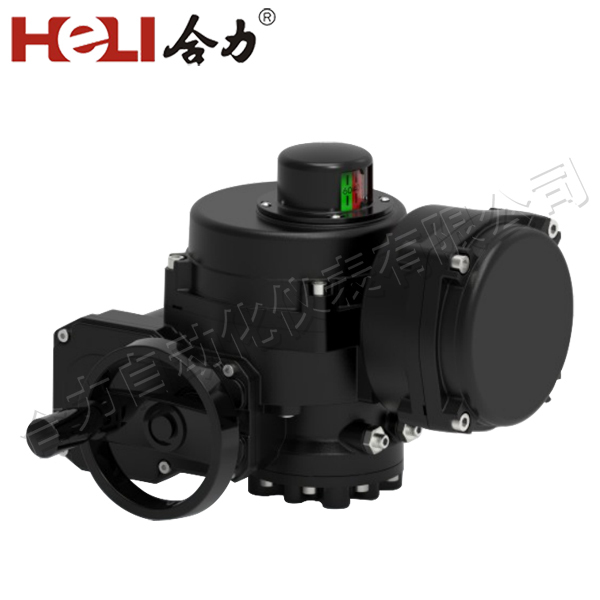
As the world shifts toward sustainable energy solutions, hydrogen energy has emerged as a promising alternative to conventional fossil fuels. Among the innovative technologies leveraging this clean energy source are hydrogen energy electric actuators. These devices play a crucial role in enhancing efficiency and sustainability across various applications, from automotive to industrial sectors. This article delves into the functionality, benefits, and future potential of hydrogen energy electric actuators.
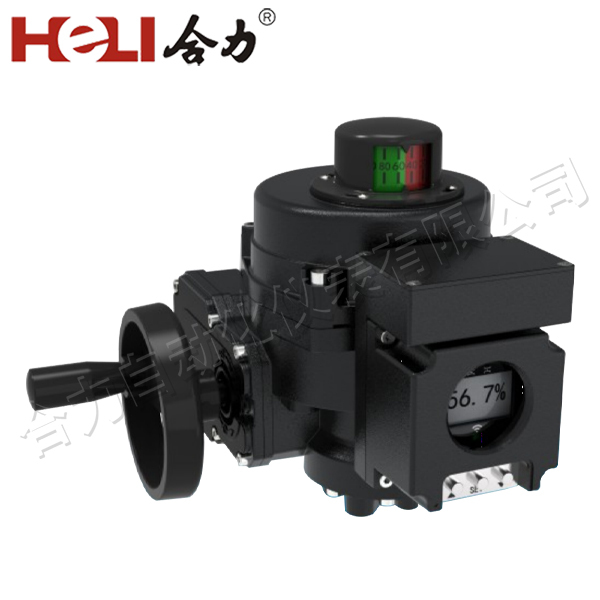
Understanding Hydrogen Energy Electric Actuators
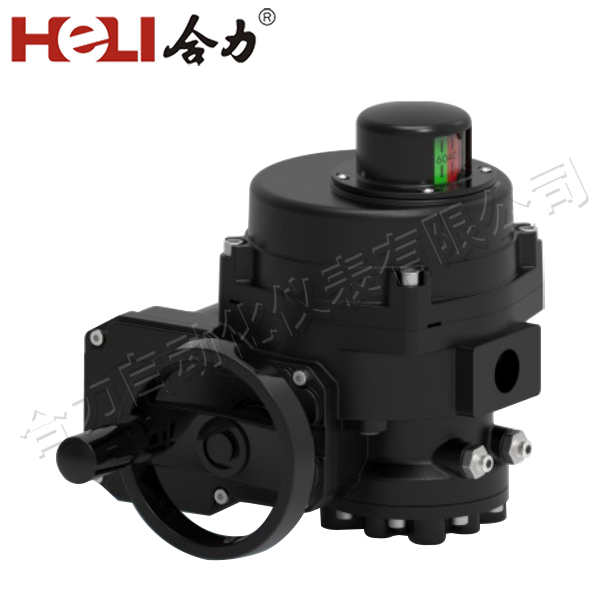
Hydrogen energy electric actuators are devices that convert hydrogen fuel into mechanical motion through electrochemical reactions. They typically consist of a fuel cell, which generates electricity from hydrogen and oxygen, and an electric motor or mechanical system that converts this electricity into motion. This process is characterized by high efficiency, low emissions, and the ability to operate in various environments. The fuel cell within the actuator produces electricity by combining hydrogen from storage tanks with oxygen from the air. The chemical reaction generates water and heat as byproducts, making it an environmentally friendly alternative to traditional electric actuators powered by batteries or grid electricity. This technology not only reduces carbon emissions but also contributes to a circular economy by utilizing hydrogen, which can be produced from renewable sources.