In the quest for sustainable energy solutions, hydrogen energy has emerged as a key player in reducing our carbon footprint and creating a cleaner future. As industries look to harness the potential of hydrogen, the demand for advanced technologies to manage and control hydrogen fluids has risen significantly. One innovative solution gaining traction is the Hydrogen Energy Electric Pinch Valve, which combines the efficiency of electric actuation with the unique benefits of pinch valve technology.
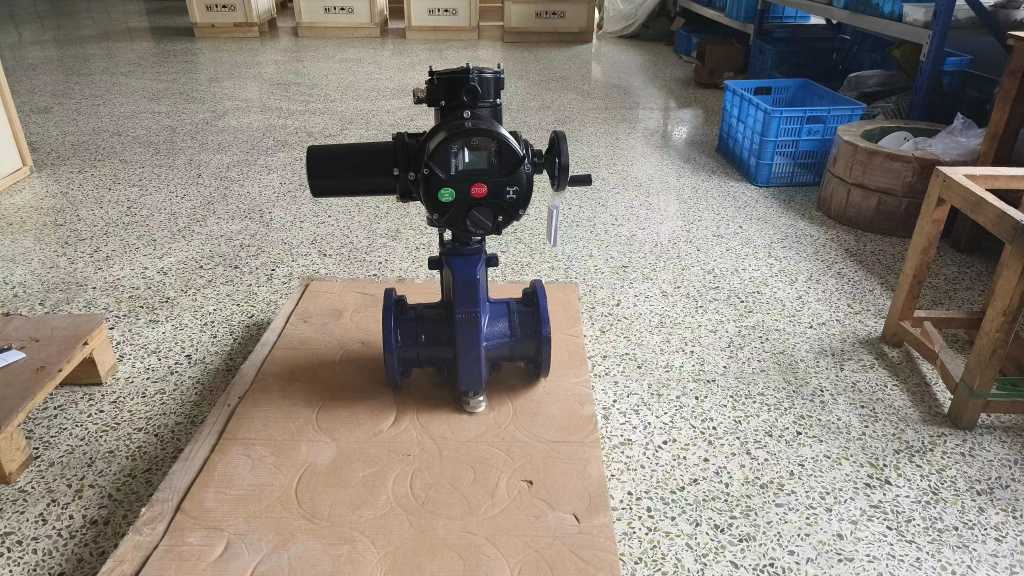
Understanding Pinch Valves Pinch valves are a type of flow control device characterized by their simple yet effective design. They consist of a flexible rubber or elastomeric sleeve that can be pinched to control fluid flow. When the sleeve is pinched closed, the flow of fluid is obstructed, and when released, the fluid can flow freely. This design makes pinch valves especially suitable for handling various types of fluids, including corrosive, viscous, or solids-laden materials. The Role of Electric Actuation Traditional pinch valves are often operated manually or via pneumatic actuators. However, with advancements in technology, electric actuation has become a preferred choice for many applications, including hydrogen energy systems. Electric pinch valves utilize electric motors to control the opening and closing of the valve, offering several advantages.