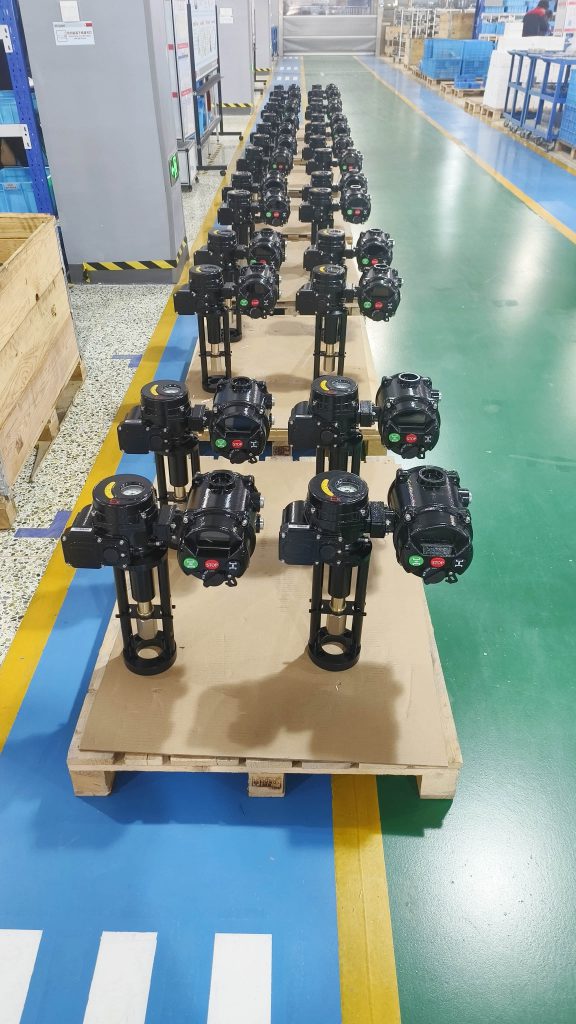
In the rapidly evolving world of automation, the need for more efficient, compact, and intelligent systems has led to the rise of intelligent integrated actuators. These devices, which combine traditional actuation technologies with advanced sensors, control algorithms, and communication interfaces, represent a significant leap forward in automation. Intelligent integrated actuators offer several advantages, including improved performance, reduced size, and increased functionality. In this article, we will explore the concept of intelligent integrated actuators, their components, benefits, and applications.
What is an Intelligent Integrated Actuator?
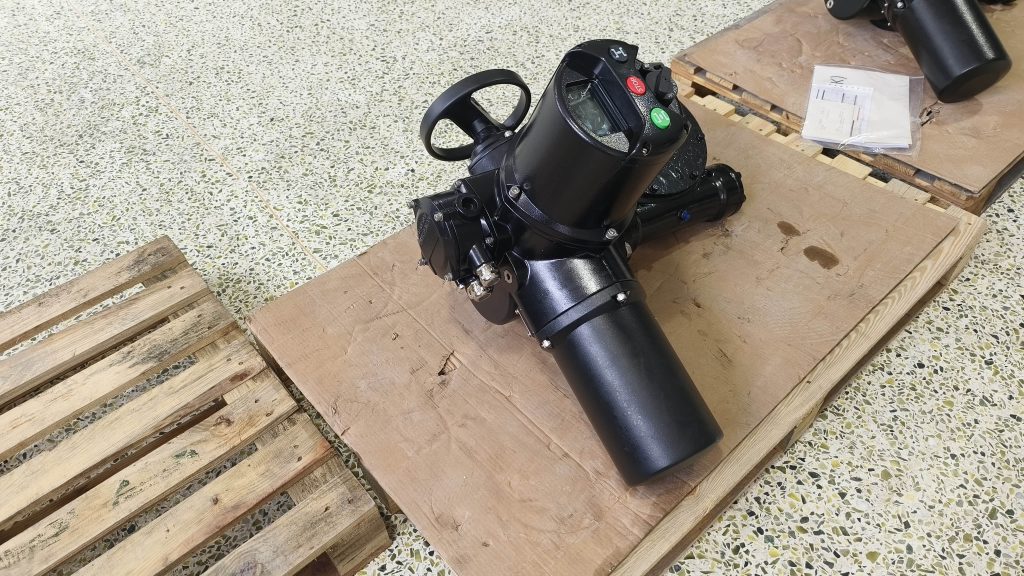
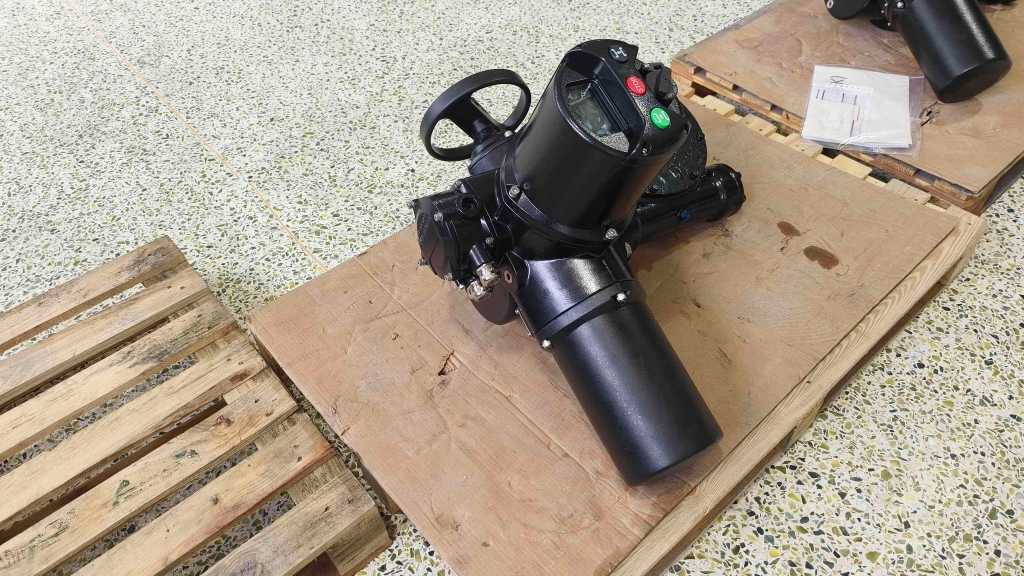
An intelligent integrated actuator (IIA) is a sophisticated device that integrates the functionality of a traditional actuator (such as a motor, hydraulic cylinder, or pneumatic actuator) with additional smart capabilities, such as sensors, microcontrollers, and communication modules. Unlike conventional actuators that require external control systems, IIAs can operate autonomously or with minimal external intervention.
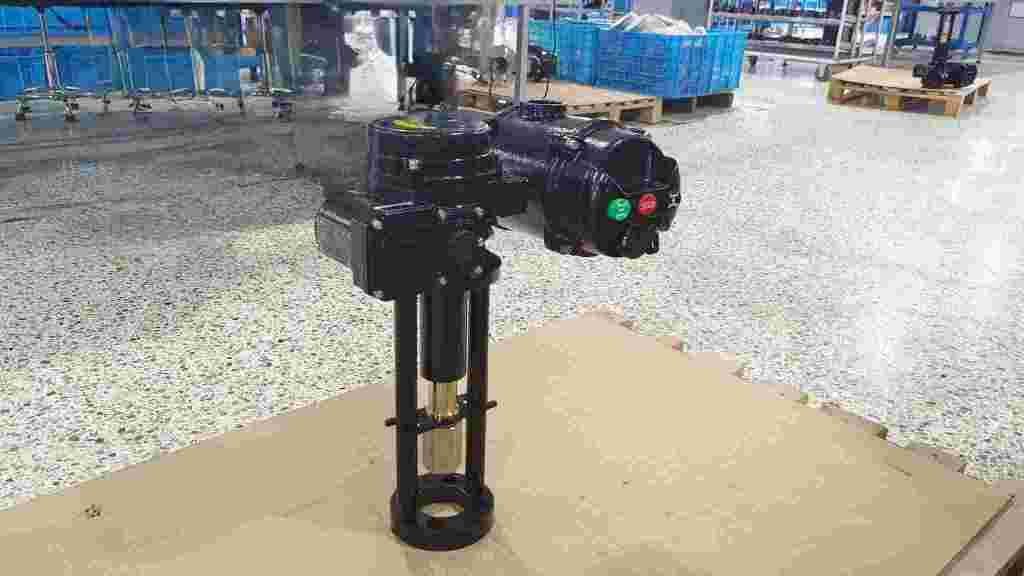
The “intelligent” aspect refers to the actuator’s ability to process data, make real-time decisions, and optimize its operation based on feedback from sensors integrated into the system. These sensors can measure parameters such as position, force, temperature, and speed, allowing the actuator to adjust its behavior dynamically. For example, if the actuator is controlling a robotic arm, it can adjust its movement based on the force exerted on the arm, improving precision and reducing the risk of damage.
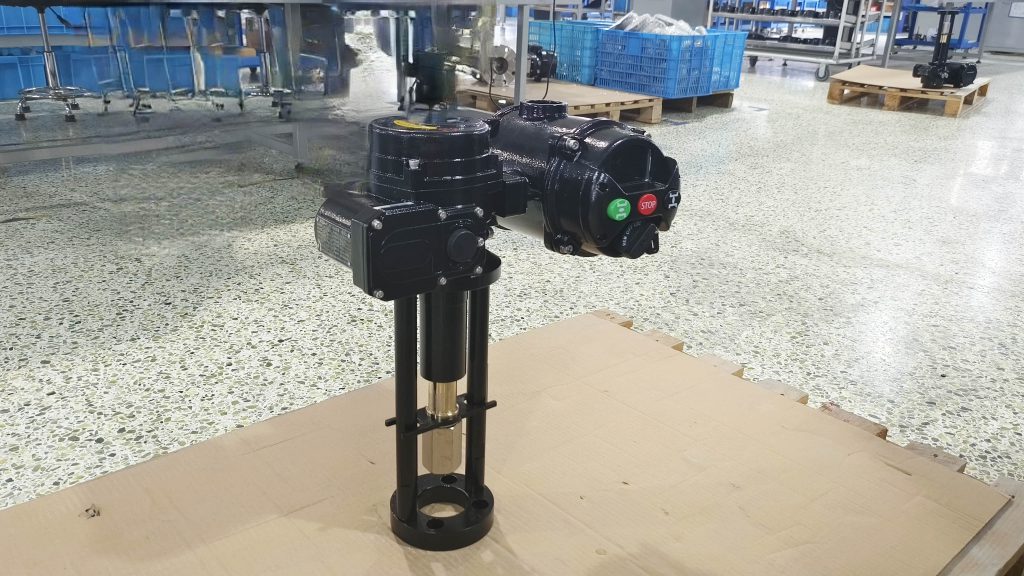
Components of Intelligent Integrated Actuators
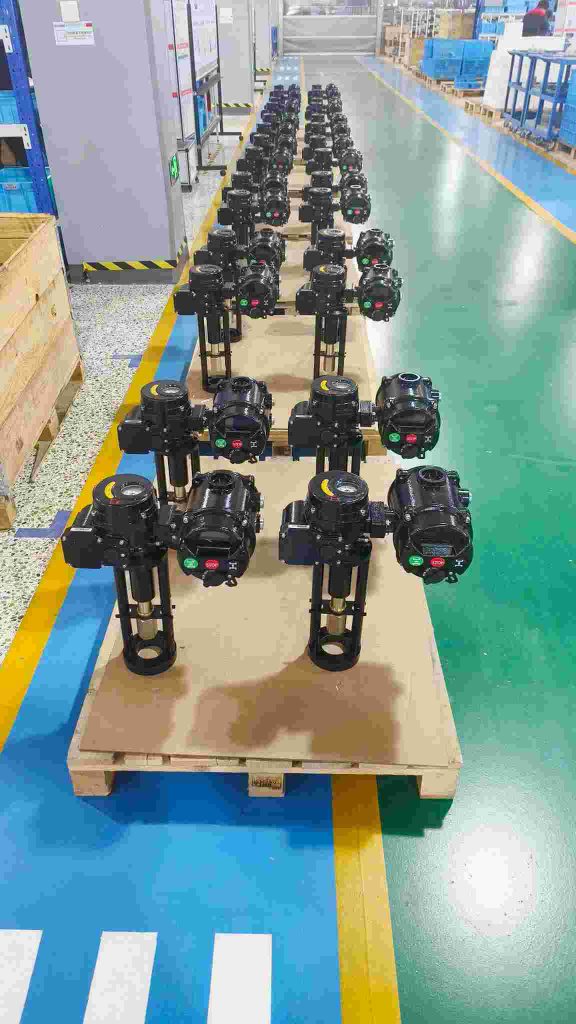
The core components of an intelligent integrated actuator include: Actuation Mechanism: This is the traditional actuator component, which could be an electric motor, piezoelectric element, hydraulic piston, or pneumatic cylinder. The actuation mechanism provides the physical motion necessary for the actuator to perform its task. Sensors: Integrated sensors enable the actuator to measure various parameters such as position, force, velocity, and temperature. These sensors provide real-time feedback, allowing the actuator to adjust its performance accordingly. Control System: The control system typically consists of a microcontroller or digital signal processor (DSP), which processes sensor data and makes decisions about how the actuator should operate. It may also include algorithms for optimizing performance, such as adaptive control or machine learning techniques.