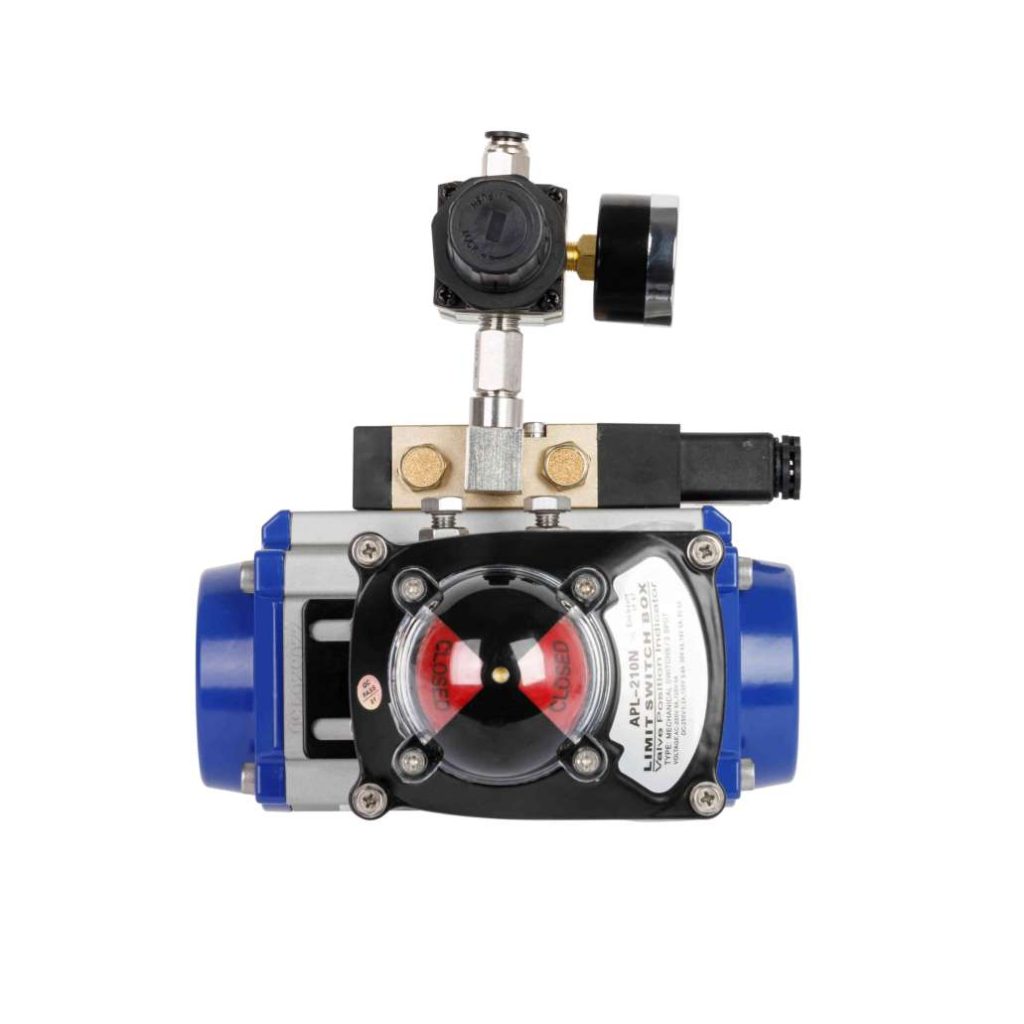
Pneumatic actuators have become essential components in various industries, driving automation systems that rely on compressed air to perform mechanical tasks. These actuators are a key part of a broader category of automated machinery, often replacing more complex or expensive systems like electric motors or hydraulic actuators. In this article, we will explore the functionality of pneumatic actuators, their types, advantages, and practical applications in modern automation.
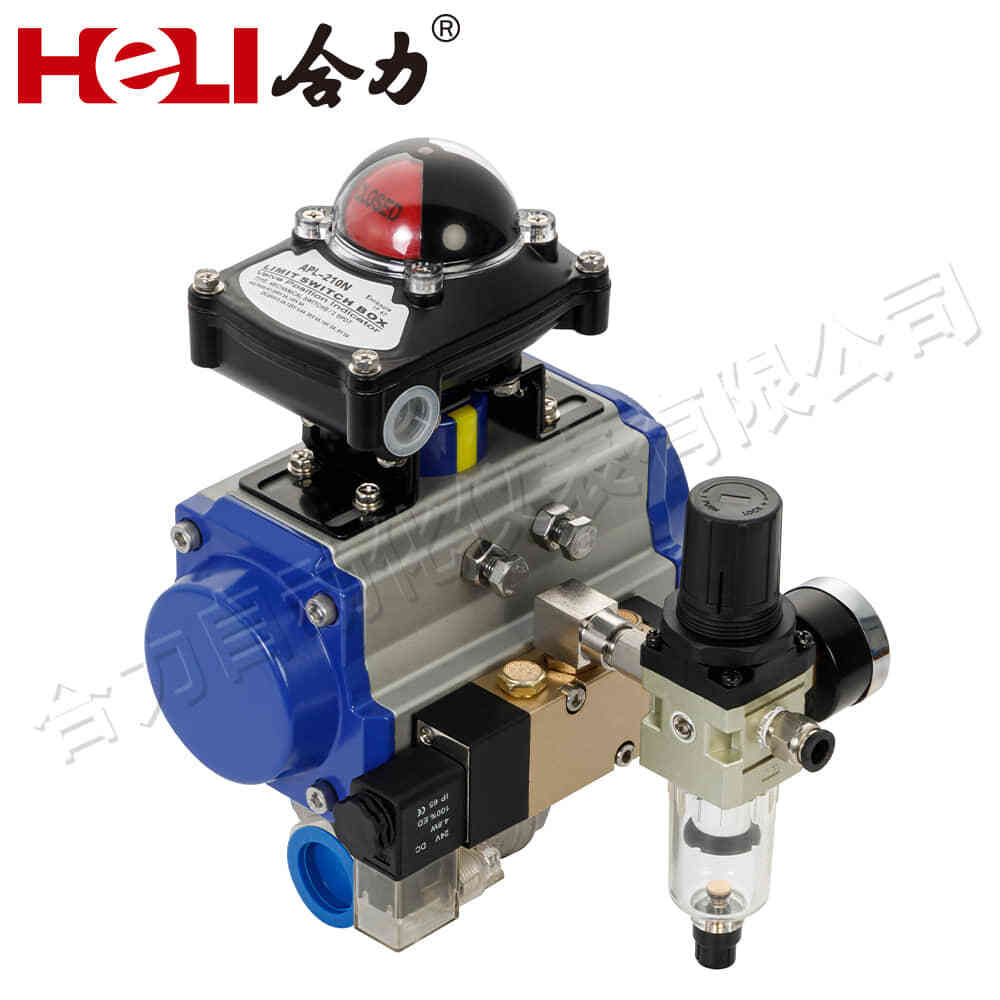
What is a Pneumatic Actuator?
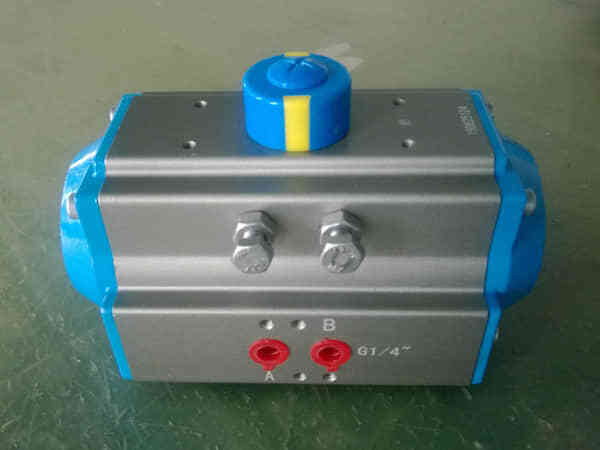
A pneumatic actuator is a device that uses compressed air to create linear or rotary motion. It converts the energy of compressed air into mechanical force to perform work. Pneumatic actuators are widely used because they are relatively inexpensive, efficient, and offer quick motion responses. Depending on the application, pneumatic actuators can generate both straight-line (linear) movement, such as in pneumatic cylinders, or rotational movement, typically through pneumatic motors. Types of Pneumatic Actuators Pneumatic Cylinders (Linear Actuators): Pneumatic cylinders are the most common form of pneumatic actuators. These devices create linear motion by using the force of compressed air to move a piston within a cylinder. As the air pressure pushes the piston, it moves along the cylinder’s axis, transferring force to the connected load. Pneumatic cylinders are available in various configurations, including single-acting cylinders (which use air pressure on only one side of the piston) and double-acting cylinders (which use pressure on both sides).