In the fast-paced realm of modern industry, where efficiency, safety, and reliability are paramount, the use of Industrial Power Switches has become an indispensable component of a vast array of electrical systems. These switches serve not just to control electrical flow but also to ensure the operational integrity and safety of large-scale machinery and equipment. This article delves into the functionality, types, applications, and importance of Industrial Power Switches in today’s industrial environment.
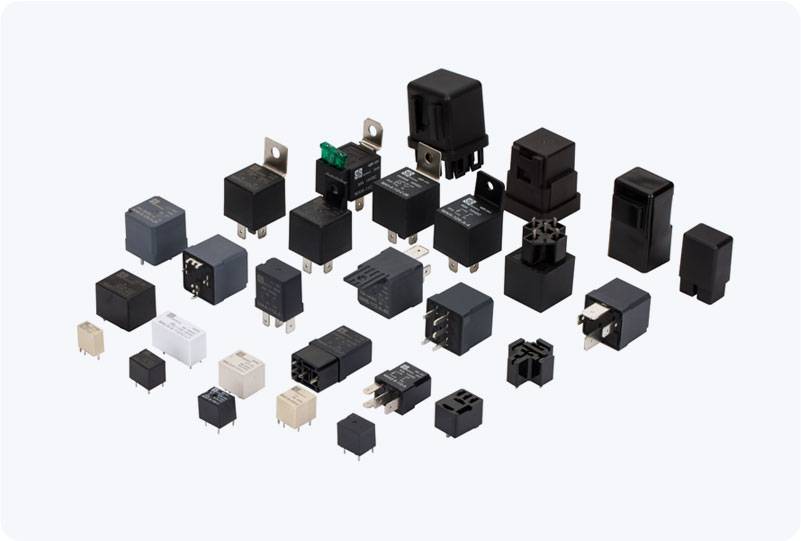
Understanding the Functionality of Industrial Power Switches At its core, an Industrial Power Switch serves the fundamental role of controlling the electrical flow to various loads and machinery. The switch allows operators to safely turn on or off the power supply, making it a crucial tool for managing equipment operation. In industrial settings—ranging from manufacturing plants to construction sites—energy management is critical. The Industrial Power Switch enables not only the initiation and cessation of power but also plays a key role in protecting machinery from current overloads and short circuits. By providing a reliable means to disconnect power, these switches enhance the safety of workers and minimize the risk of electrical hazards.