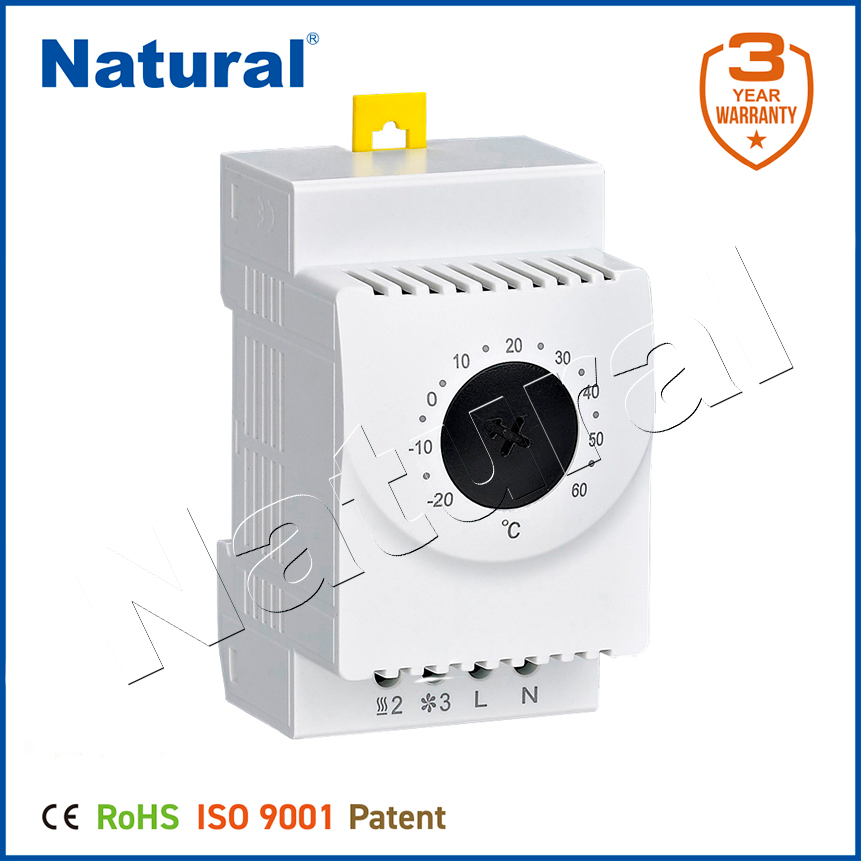
In today’s modern homes and offices, managing energy consumption and maintaining comfort are key concerns. One of the most effective devices for achieving both is theelectronic thermostat. Unlike traditional mechanical thermostats, electronic thermostats offer greater precision, energy efficiency, and ease of use. This article explores the functionality, advantages, and potential applications of electronic thermostats in both residential and commercial settings.
What is an Electronic Thermostat?
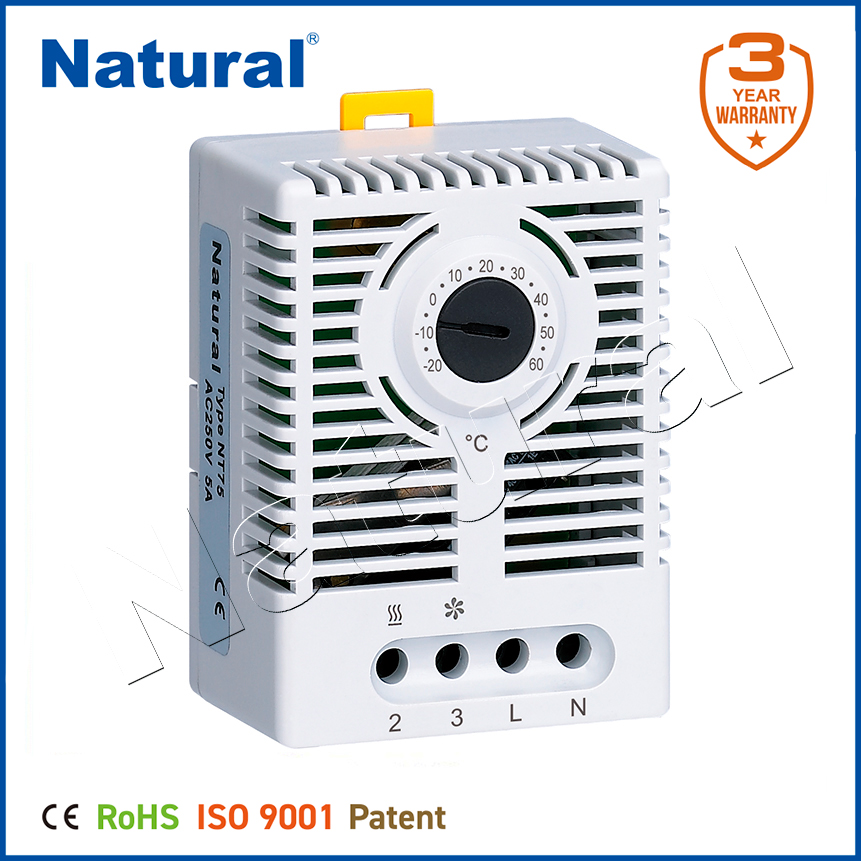
An electronic thermostat is a device that controls the temperature of a heating or cooling system in a building. It works by monitoring the indoor temperature and sending signals to the HVAC system to either heat or cool the space according to the set temperature. The core difference between electronic thermostats and their mechanical counterparts is the digital control and programming capabilities. While mechanical thermostats use a physical bimetallic strip to sense temperature changes, electronic thermostats rely on digital sensors and advanced microprocessors, offering more accurate readings and enhanced user control.