A Solid State Relay (SSR) is an electronic switching device that operates without mechanical parts. Unlike conventional electromagnetic relays, which rely on mechanical contacts and coils to switch the load, SSRs utilize semiconductor components such as triacs, thyristors, and phototransistors. This innovative design offers several significant advantages in terms of speed, reliability, and efficiency, making SSRs increasingly popular in various industrial, commercial, and residential applications.
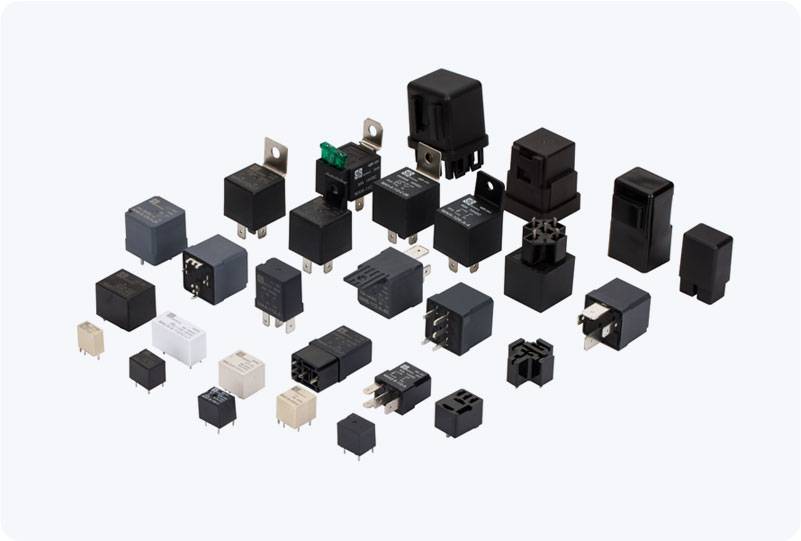
How Solid State Relays Work SSRs operate by receiving an input control signal, typically in the form of a low-voltage DC signal, which activates the semiconductor components inside the relay. These components then close or open the electrical circuit to the load, allowing or interrupting the flow of current. The key feature of SSRs is that there are no moving parts involved in the switching process, as opposed to traditional relays that use mechanical contacts. This makes SSRs inherently faster and more durable. The most commonly used semiconductors in SSRs are thyristors, triacs, and phototransistors. Thyristors are used to control high-voltage AC loads, while triacs are more suitable for alternating current (AC) applications. Phototransistors or optocouplers are often employed to isolate the input and output sides, providing electrical protection to the control circuit.